When you manage a strata property in Langley, landscaping often becomes your biggest headache. Landscaping costs go over budget, and owners complain about how the property looks. You’re not alone. Strata properties across Langley face special problems that regular homes and businesses don’t have.
This guide explains the seven biggest landscaping problems that Langley stratas face. You’ll learn how to plan for these problems, set better budgets, and pick the right landscaping company. We’ll show you why strata properties are different, what makes Langley’s weather hard on landscaping, and what you can do to avoid surprises.
Ready to fix your strata’s landscaping problems? Get professional landscaping services in Langley made for multi-unit properties.
What Are the Biggest Landscaping Challenges for Strata Properties?
Strata properties face seven main landscaping problems that make them different from regular homes:
1. Budget Problems – Strata fees stay the same all year, but landscaping needs change with the seasons
2. Slow Decisions – Council meetings only happen once a month or every few months, so urgent problems wait too long
3. Property Lines – Nobody knows who takes care of some areas
4. Higher Standards – The property must look nice because bad landscaping hurts everyone’s home value
5. Watering System Problems – Big properties have complicated watering systems that can break
6. Company Availability – Landscaping companies focus on regular homes during busy spring and fall months
7. Bad Communication – Messages get lost between property managers, councils, and landscaping companies
These problems need someone who knows how to work with stratas. Property managers and councils who understand these issues can hire better companies and know what to expect.
Having any of these problems? Our specialized strata landscaping services help properties all over Langley look great.
Why Strata Landscaping Is Different from Regular Homes
To understand why strata properties have special landscaping problems, you need to know how they’re different from regular homes and businesses.
Many People Make Decisions Together
A homeowner can plant new bushes any Saturday morning. But strata properties need council approval for most landscaping changes. Even regular yard work often needs a sign-off from property managers or strata presidents. This means every decision takes longer, from cutting down a sick tree to planting flowers.
The Budget Stays the Same but Needs Change
Strata fees are set once a year based on what the council thinks costs will be. But landscaping needs change with each season. A wet winter might cause drainage problems that need fixing right away. A dry summer makes watering costs go up. When these changing needs don’t match the fixed budget, councils and owners get frustrated. Sometimes the strata needs a special levy to pay for unexpected work.
Who Takes Care of What?
Strata bylaws explain what is common property (the strata takes care of it) versus limited common property (sometimes individual owners take care of it).¹ This confuses people about who’s responsible for what, especially for patio gardens, balcony planters, or yards next to ground-floor units.
How It Looks Matters to Everyone
When your property’s landscaping looks bad, it hurts the value of every unit. This means everyone expects the property to look nice. With a regular home, only one owner cares about how the yard looks. In a strata, everyone cares because it affects what their home is worth.
Big Areas with Small Budgets
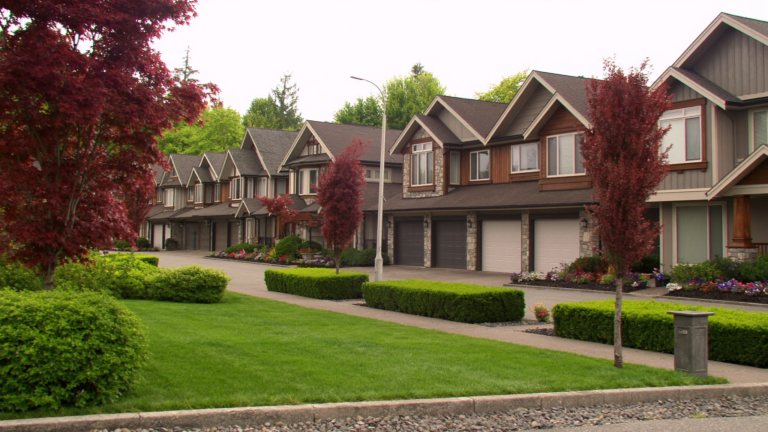
A 50-unit strata might have 2 acres of grass and gardens. This needs big equipment and experts to take care of it. But the money comes from strata fees split between those 50 units. This often means less money per square foot than a homeowner would spend on their yard. The strata needs to make every dollar count.
| Regular Home | Business | Strata |
| One person decides | Business owner or manager | Council, manager, and owners |
| Can spend more anytime | Changes budget every few months | Budget set once per year |
| Whatever looks good to owner | Must match company image | Affects everyone’s home value |
| Can act right away | Quick approval in a few days | Waits for monthly meetings |
After years of working with Langley stratas, the biggest surprise for new councils is how these differences affect everything about yard care. What seems like a simple landscaping contract becomes complicated when you add approval steps, fixed budgets, and the need to make dozens of people happy.
Understanding these basic differences helps explain why strata properties have special landscaping problems. These problems create the seven specific issues we’ll talk about next.
The 7 Most Common Strata Landscaping Problems in Langley
Every strata has landscaping problems, but these seven show up most often in Langley’s multi-unit buildings. Knowing about them early helps councils fix problems before they get big.
Problem 1: Hard to Predict Costs
Landscaping costs change a lot with the seasons and weather, but strata budgets get locked in months before the work starts. Spring might bring storm damage that needs tree removal. Summer drought could make watering costs jump. Fall leaf cleanup might take twice as long if October brings lots of rain.
Think about a 45-unit building that planned for normal rainfall. When Langley gets an extra wet winter, drainage problems can need more money than the budget has. The council has to choose between asking owners for extra money (which they don’t like) or waiting to fix things (which could cause damage).
Rising prices make this worse. Worker pay, gas costs, and supplies go up in price, but strata fees only change once a year. A contract signed in January might not cover costs by June, creating tension when landscaping companies ask for more money.
Problem 2: Decisions Take Too Long
Most strata councils meet once a month. Some only meet every few months. This doesn’t match landscaping timelines. A landscaping company might find a sick tree in early March that should come down before spring. But if the council doesn’t meet until late March and needs owner approval for the extra cost, the best time to remove it passes.
Emergencies show this problem clearly. A water pipe breaks on a Friday afternoon, flooding part of the property. Should the property manager fix it right away, maybe spending more than they’re allowed? Or should they wait for council approval, risking more water damage and higher water bills?
Big improvements take even longer. Major landscaping work usually needs owner votes at yearly meetings. By the time approval comes through, the best planting seasons may have passed, forcing work into worse times of year.
Problem 3: What’s Included in the Price?
What exactly does your landscaping contract include? This question creates more fights than almost anything else about yard care. Does weekly mowing include edging? Does spring cleanup include cutting back ornamental grasses, or just removing leaves? Does fall service include cleaning gutters for ground-floor units?
Unclear contracts lead to extra charges that frustrate councils and owners. Companies say certain work is extra while councils thought it was included. Both sides might be honest, but the contract wasn’t clear enough to prevent disagreements.
The answer is detailed contracts that spell out exactly what’s included in the base price versus what costs extra. This protects both sides and prevents budget surprises.
Problem 4: Companies Don’t Always Show Up
Many landscaping companies focus on regular homes during busy seasons because these jobs make more money and finish faster. Stratas get lower priority, especially in April and May when everyone wants spring cleanup at the same time, or September and October during fall work season.
This shows up as delayed service dates, last-minute rescheduling, or work happening later in the week than promised. Your property might be scheduled for Wednesday mowing but keep getting serviced Friday or Saturday instead, bothering residents who work from home or have weekend plans.
Some companies do worse quality work during busy times, sending less experienced crews or rushing through tasks. The property gets serviced, but not as well as expected.
Problem 5: Messages Get Lost
Strata landscaping involves a triangle of communication between the company, property manager, and council, with individual owners often in the mix too. Messages get lost, expectations aren’t clearly shared, and problems go unreported until they become serious.
Owners notice issues and email the property manager. The property manager sends the concern to the company. The company checks it out and responds to the property manager. The property manager updates the council. The council talks about it at their next meeting. By the time action happens, the original problem may have gotten worse or the owner who reported it feels ignored.
Clear communication rules prevent these gaps. The best strata landscaping relationships include regular check-ins, written reports, finding issues before they get big, and direct ways to handle urgent matters.
Problem 6: What Does Good Look Like?
What does good landscaping mean for your property? One owner thinks the grass needs cutting when it reaches 3 inches. Another doesn’t mind 4 inches. Some residents want perfect weed-free beds. Others care more about being good for the environment than looking perfect.
Without clear standards in your contract, these different opinions create conflict. Companies may deliver service that meets their idea of good while falling short of what councils or owners expect.
Seasons make this harder. Spring gardens look full and green. Summer heat stresses lawns and plants. Fall brings natural decline. Winter makes beds look empty. Your standards should account for these natural cycles rather than expecting the property to look perfect all year.
Problem 7: Planning for the Future
Landscaping isn’t just ongoing yard work. It also includes things that need replacing like watering systems, retaining walls, trees, plantings, and paved areas. These things need long-term planning and money beyond yearly budgets.
Reports about building repairs should include major landscaping parts, but many stratas forget this. When watering system controllers reach the end of their usual 10-20 year life or big trees reach the end of their safe life, the cost comes as a shock rather than something planned for.
Good landscaping partners help councils plan for these future needs. Yearly property reviews should find aging parts, suggest when to replace them, and help plan for future costs.
These seven problems affect stratas everywhere, but Langley’s weather adds extra trouble. Our strata landscaping team understands these problems and helps properties look great all year.
How Langley’s Weather Affects Strata Landscaping
Langley’s location in the Fraser Valley creates weather patterns that make the strata landscaping problems worse. Understanding these local factors helps councils set better expectations and plan better budgets.
Heavy winter rain from November through March creates many problems, according to Environment Canada weather data. Wet lawns get moss and lawn diseases. Drainage systems that worked fine during summer may not work when facing months of rain. Clay-heavy soils in many Langley areas make drainage worse, leaving standing water in low spots and creating muddy common areas.
Dry summer periods usually run from July through August, creating opposite problems. Watering systems face their biggest demand exactly when water costs go up. Lawns stressed by drought become open to insect damage and disease. Flowers need more watering, and established plants show stress if the watering system doesn’t cover everything well.
Fraser Valley soil varies across Langley, but BC farm surveys show many areas have clay-heavy soils that drain poorly. This affects what plants work, lawn health, and what drainage systems you need. Properties in Walnut Grove face different soil than those in Willoughby or Fort Langley, needing different landscaping approaches.
Different areas across Langley communities mean landscaping that works in one area may fail in another. Properties near the Fraser River have different conditions than those in higher inland areas. South-facing slopes dry out faster than north-facing beds. Buildings create shade patterns affecting plant growth.
Native plants offer solutions to some weather problems. Plants made for Pacific Northwest conditions handle wet winters and dry summers without lots of watering or drainage work. Native plants also help local bees and butterflies and need less care once established, possibly reducing long-term landscaping costs.
Climate change is making these seasonal differences bigger. Wetter winters and drier summers stress landscaping designed for old weather patterns. Smart strata councils work with landscaping professionals who understand these changing conditions and can suggest tough planting strategies.
Warning Signs: Your Strata’s Landscaping Service Isn’t Working
How do you know when it’s time to think about a new landscaping company? These warning signs show your current service isn’t meeting your property’s needs.
☐ More owner complaints about how the property looks or quality of work. If you’re getting more complaints this year than last, something has changed.
☐ Going over budget or lots of extra work requests. Some extra charges are normal, but if you’re always approving extra work beyond the base contract, the service wasn’t defined clearly enough.
☐ Company not available during busy seasons. Missing service dates in April, May, September, or October suggests you’re not a priority client.
☐ No communication about upcoming needs. Good companies find problems before they get big and tell you about upcoming seasonal needs. Silence until something breaks shows they’re only reacting to problems.
☐ Only fixing problems, not preventing them. If your company only responds to problems rather than preventing them, you’re getting basic maintenance, not full management.
☐ No yearly property check or suggestions for improvements. Good landscaping partners should regularly look at your property and suggest improvements, even if you’re not ready to do them right away.
One or two of these issues might show minor problems that can be fixed through better communication. Many warning signs suggest it’s time to look at other service options.
Questions to Ask Before Hiring a Strata Landscaping Company in Langley
Whether you’re hiring your first landscaping company or switching from one that’s not working well, these questions help you find good partners and set clear expectations from the start.
1. How many strata properties do you work for now? This question shows whether they understand strata problems. Experience with multi-unit properties means they know how to work with councils, property managers, and the special demands of shared spaces.
2. What’s included in your base price versus extra charges? Ask for a detailed list of what services are included and what common things cost extra. This prevents unclear expectations and budget surprises later.
3. How do you handle owner complaints and council updates? Clear communication rules matter a lot in strata environments. You want companies who report issues first, respond to concerns quickly, and keep all stakeholders informed.
4. Do you provide yearly landscape plans and budget forecasts? Good companies help councils plan for upcoming seasons and guess at costs. Yearly reviews should find needed improvements, aging parts, and suggest when to do major projects.
5. How fast do you respond to urgent issues like broken watering systems? Emergencies happen. You need companies who respond quickly when watering systems fail, trees fall, or drainage problems flood common areas. Ask for specific response time promises.
6. How do you handle Langley’s specific weather challenges? Local knowledge matters. Companies familiar with Fraser Valley conditions understand drainage solutions for clay soils, plant picks that handle wet winters and dry summers, and watering strategies that balance water saving with lawn health.
The best companies answer these questions with specific examples from their current strata clients. Vague responses or inability to address these topics suggests limited strata experience.
Ready to fix your strata’s landscaping problems? The team at Splendid Landscaping works with multi-unit properties and understands what strata councils throughout Langley need. Contact us for a free strata property check and custom service plan that fixes your property’s specific needs and challenges.
—
Sources:
Weather data: Environment and Climate Change Canada, Canadian Weather Information for Langley, BC
Soil information: BC Ministry of Agriculture, Fraser Valley Farm Soil Surveys
¹ Province of British Columbia. (2024). Strata bylaws and rules explained. Government of BC.
When these challenges add up to a contractor decision, the next step is structured. Here is how Langley strata councils can evaluate, RFP, and switch landscapers without losing a season.