
Garden Bed Maintenance in Langley BC
Keep Your Commercial & Strata Properties Thriving

Garden beds across Langley BC face unique challenges through wet winters and dry summers. If you manage strata buildings, commercial properties, or large estates in Willoughby, Walnut Grove, or Murrayville, keeping garden beds healthy protects your investment and prevents costly emergency repairs.
Professional maintenance ensures your property looks sharp year-round while cutting long-term costs. Book a free assessment today and discover how expert care transforms tired beds into low-maintenance showcases that impress residents, tenants, and visitors.
Seasonal Bed Preparation Protects Your Investment from Langley's Harsh Winter Weather
Your garden beds need preparation before November rains arrive. Langley receives over 45 inches of annual rainfall, with most falling between October and March. Without proper fall preparation, you’re gambling with root rot, soil erosion, and expensive spring damage.
Professional crews clear dead plants, verify drainage systems, and apply protective mulch before the first freeze hits. Properties that skip fall prep regularly face costly repairs when spring arrives. Garden beds prepared in October weather winter storms without losing structure or plant health.
Langley’s heavy clay soil compacts during winter rains, creating drainage issues that suffocate plant roots. Strategic aeration and compost amendments keep water moving through soil properly. Properties with professional drainage solutions experience fewer diseased plants and stronger spring recovery.
Smart winter prep means removing diseased material while preserving ornamental grasses for visual interest. This approach eliminates problem foliage without creating bare beds that wash away during heavy rainfall. Healthy stems left standing protect root systems from freeze-thaw damage.
Soil Rejuvenation Brings Tired Garden Beds Back to Life
Are your commercial beds showing weak plants and patchy growth? Depleted soil loses essential nutrients plants need for vigorous growth. Annual soil testing catches problems before they become visible—and expensive.
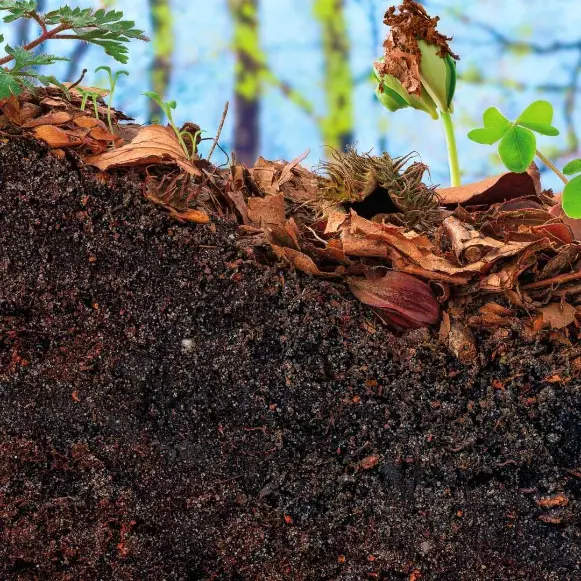
Adding organic matter and balancing soil chemistry revitalizes beds without complete soil replacement. Professional soil amendments cost less than new soil installation while delivering comparable results. Properties investing in annual soil improvement maintain consistent plant performance through all seasons.
Clay soil in Langley compacts over time, restricting root growth and blocking water movement. Annual aeration breaks up compacted layers, allowing roots to access deeper soil. Compost additions improve drainage while providing slow-release nutrition throughout the growing season.

Different plants demand different nutrients. Native shrubs require different feeding than flower beds or border plantings. Testing eliminates guesswork and prevents the nutrient imbalances that cause stunted growth or disease.
Properties with persistent soil issues may need complete garden bed installation with fresh soil and proper drainage systems. This investment delivers long-term results when amendments alone cannot restore bed health.
Professional Mulching and Edging Keep Your Property Looking Sharp
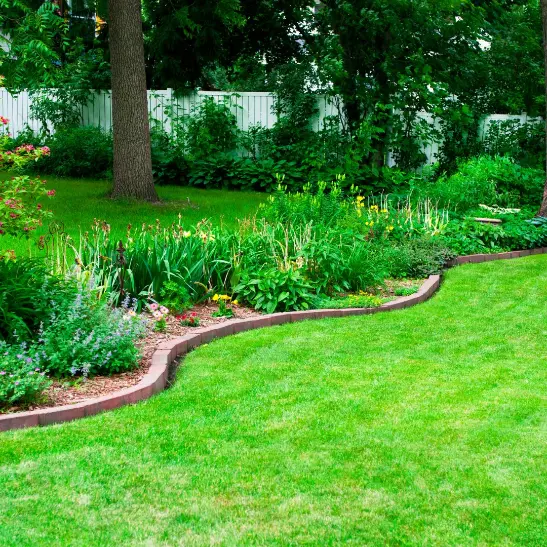
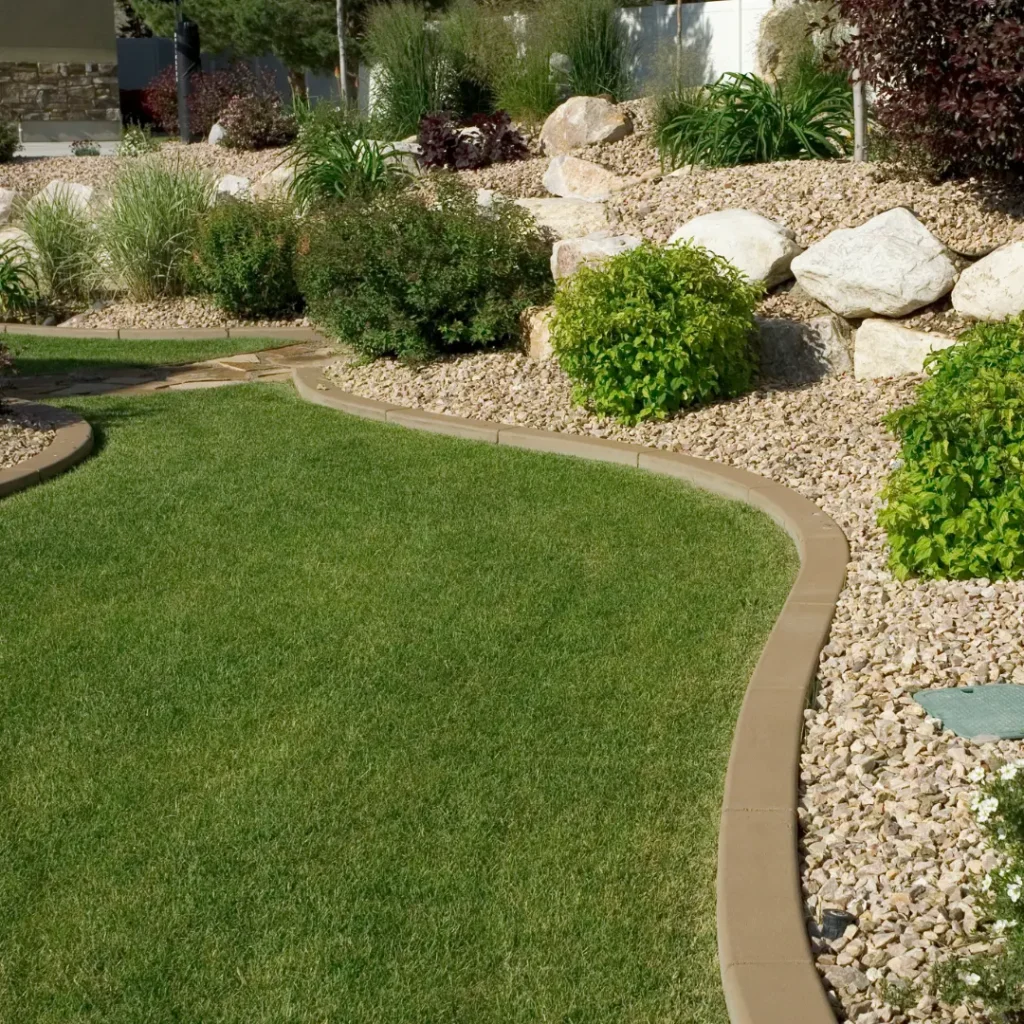
Office parks and shopping centers in Willoughby need crisp, weed-free bed edges that maintain professional appearance year-round. Expert edging creates clean lines that separate beds from turf while preventing grass encroachment. Properties with defined edges look maintained even during dormant seasons.
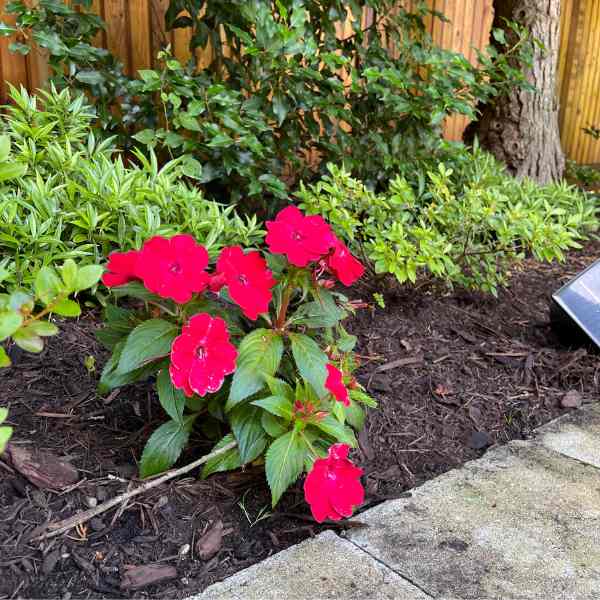
Mulch selection matters in wet climates like Langley. Shredded bark and wood chips decompose slowly while suppressing weeds through winter rains. These materials stay in place during heavy storms, unlike lightweight products that wash onto sidewalks and parking areas.

River rock works for drought-tolerant plants in protected locations but creates problems in high-rainfall areas. Organic mulches improve soil as they break down, adding nutrients and supporting beneficial soil organisms. Properties using bark mulch see superior long-term soil health compared to rock or synthetic materials.
A three-inch mulch layer reduces summer watering requirements significantly. This depth insulates roots from temperature extremes while blocking light that triggers weed germination. Properties maintaining proper mulch depth spend less on weed control and irrigation.
Splendid Landscaping Services applies fresh mulch during spring and fall service visits, ensuring consistent coverage that protects beds year-round. Clean edging and quality mulch reduce labor hours for ongoing property maintenance.
Strategic Fall Cleanup Timing Prevents Disease Outbreaks
When should you cut back plants before winter rains start? Timing makes the difference between healthy spring recovery and costly disease problems. Cut too early and you remove habitat for beneficial insects. Cut too late and diseased foliage spreads problems to healthy plants.
The first hard frost in late October signals cleanup time for most plantings. Cutting after frost allows plants to transfer nutrients into roots for winter storage. This timing strengthens spring growth while removing diseased foliage before prolonged wet periods.
Professional cleanup removes damaged stems while preserving ornamental material that provides winter interest. Ornamental grasses, seed heads, and sturdy plant stems add visual appeal during gray months while protecting root crowns from freeze damage.
Disease prevention starts with identifying problem plants during the growing season. Powdery mildew, leaf spots, and fungal infections require complete removal of infected material. Composting diseased material spreads problems—professional disposal protects garden bed health.
Properties scheduling fall cleanup after first frost but before heavy November rains experience fewer spring disease issues. This window typically runs from mid-October through early November across Langley and surrounding Fraser Valley areas.
Smart Plant Selection Slashes Maintenance Hours and Costs
Want colorful garden beds without weekly maintenance? Native and adapted plants thrive in Langley’s climate with minimal intervention, cutting labor costs while maintaining professional appearance.
Oregon grape, salal, and sword fern handle clay soil and summer drought without supplemental irrigation once established. These Northwest native plants provide year-round color and texture while supporting local pollinators. Properties using native plantings see dramatic reductions in watering and fertilization costs.
Drought-tolerant perennials like lavender, Russian sage, and yarrow bloom through summer heat with minimal care. These selections handle Langley’s typical June-September dry period without wilting or requiring constant attention. Full-sun locations provide optimal performance.
Layered plantings using varying heights and bloom times create visual interest across all seasons. Mixing evergreen shrubs with perennials and ornamental grasses maintains structured appearance during winter months when deciduous plants go dormant.
Splendid Landscaping Services designs low-maintenance plant combinations specifically for Fraser Valley conditions. Selecting adapted plants reduces ongoing maintenance requirements while maintaining consistent property appearance.
Preventive Wood Treatment Extends Raised Bed Life in Coastal Climates
Do your cedar or hemlock raised beds show signs of rot? Without protective treatment, wooden beds fail within 5-7 years in Langley’s humid climate. High moisture levels accelerate wood decay, especially where soil contacts bed frames. Annual inspections catch early damage before complete failure requires total replacement.
Non-toxic sealants add several years to wooden bed frame lifespan. Eco-safe products protect wood from moisture without leaching harmful chemicals into soil. These treatments cost significantly less than rebuilding beds while maintaining property aesthetics.
Proper drainage prevents water pooling against bed frames. Installing drainage rock beneath beds and ensuring correct ground slopes directs water away from wood contact points. Properties with effective drainage systems extend bed life regardless of wood type.
Composite materials eliminate rot concerns but carry higher upfront costs. Cedar naturally resists decay and develops attractive gray tones without treatment. Pressure-treated lumber offers longest lifespan but requires eco-certified products rated safe for edible gardens.
Annual treatment schedules maintain wood protection through wet winter months. Fall application allows sealants to cure before prolonged rainfall begins. Properties treating beds proactively avoid emergency repairs and extend replacement cycles.
The Lawn Installation Process
Remove dead foliage and weeds each spring and fall
Test soil pH and add compost or organic fertilizers
Apply 2-3 inches of mulch
Edge beds to prevent grass encroachment
Prune plants after first frost
Inspect raised bed frames for rot
Schedule seasonal fertilization
Here's What Your Neighbours Have To Say About Our Landscaping Services
Ours is a very small yard space .vIvsought out Kaushik help and his team came out really creative and maintaining it. Trimming down roses, not uprooting winter stable plants was some of creative ideas the team did to our yard . They have a totally new view to my small space . I will definitely recommend Kaushik and team for their services.

 Murali Rajagopalan
February 1, 2024
Exceptional high quality service!!! Finally found the right landscaping company where they changed dry and dead cedars, lawns into green landscape so lively to see. Cedars are still green it’s almost 5+ years compare to previous landscapers. Kaushik and his team are transparent in their work including costs and provided tips to keep all green and regular maintenance activities. Highly recommended!!!
 Prem B
February 1, 2024
Very friendly and efficient. Quality work and done in a reasonable amount of time.
 Catherine Delf
February 1, 2024
Frequently Asked Questions
Typically every 2-3 years with compost top-dressing maintains adequate nutrient levels. Complete soil replacement may become necessary every 5-7 years depending on planting density and bed usage. Properties with heavy annual flower displays deplete soil faster than those with permanent plantings.
Shredded bark or wood chips perform best in Fraser Valley conditions. These materials decompose slowly and suppress weeds through winter rains. Avoid fine mulches that compact or wash away during heavy storms.
Cut after first frost in late October. This timing prevents disease while protecting roots from freeze-thaw cycles. Cutting too early removes beneficial insect habitat and weakens plants entering winter dormancy.
Use cedar or composite materials and apply eco-safe sealants annually. Ensure proper drainage directs water away from wood contact points. Annual inspections catch damage early before complete failure occurs
Yes, but use moderate amounts mixed with compost. Pure coffee grounds create nitrogen imbalances and pH spikes. Blending with other organic matter provides benefits without soil chemistry issues.
Apply slow-release granular fertilizer in early spring and mid-summer. Avoid late-fall applications that encourage tender growth vulnerable to frost damage. Native plant beds require less fertilization than annual flower displays.
Ready to protect your landscape investment?
Contact Splendid Landscaping Services for a free garden bed assessment. Our maintenance programs keep Langley commercial and strata properties looking professional year-round while reducing your long-term costs. Call today to schedule your seasonal bed evaluation and discover how expert care transforms your property.