
Drainage designed in, because that is what fails on this ground
Our owner Kaushik holds a horticulture degree from Dalhousie
BC Landscape and Nursery Association standards
Our yard is here, so we are on your street the same week
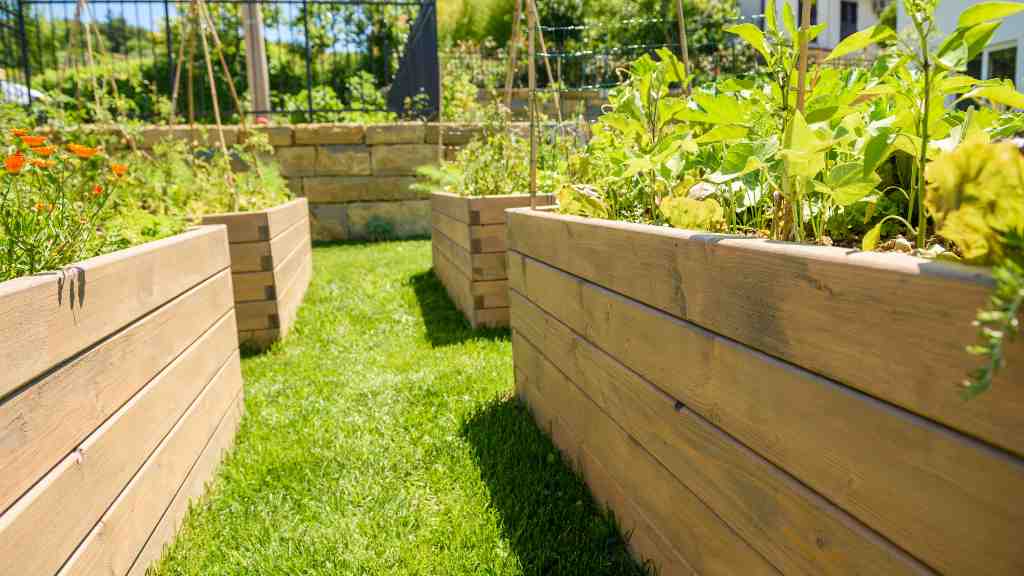
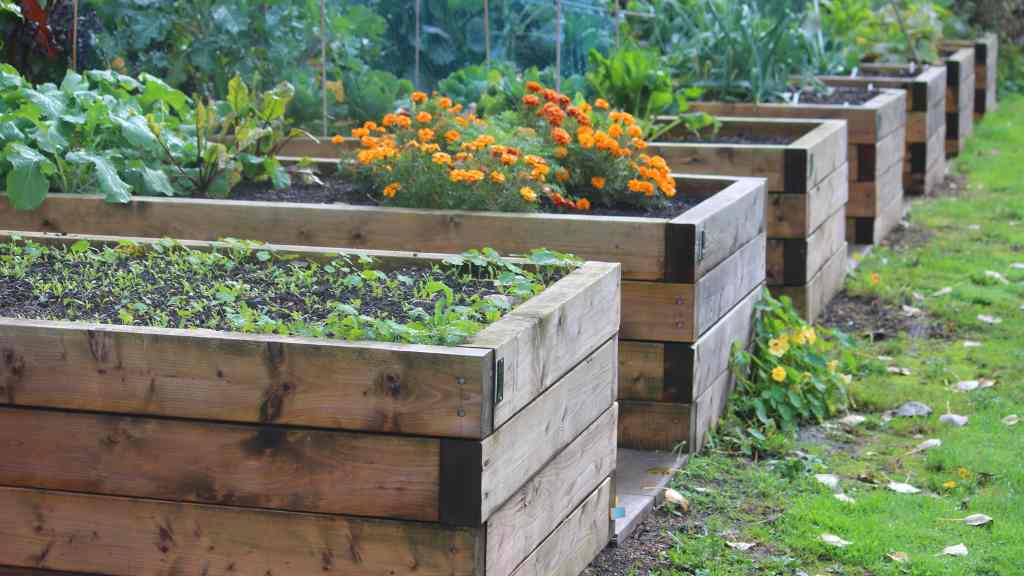
Timber or stone sided beds standing above the existing ground. The usual answer on clay, because you are building the soil rather than fighting what is there.
Cut into the existing lawn or ground, edged and planted. Cheaper and more natural looking, and worth doing where drainage allows it.
Sized so you can reach the middle without standing in them, and filled with a soil mix built for growing food rather than for looking tidy.
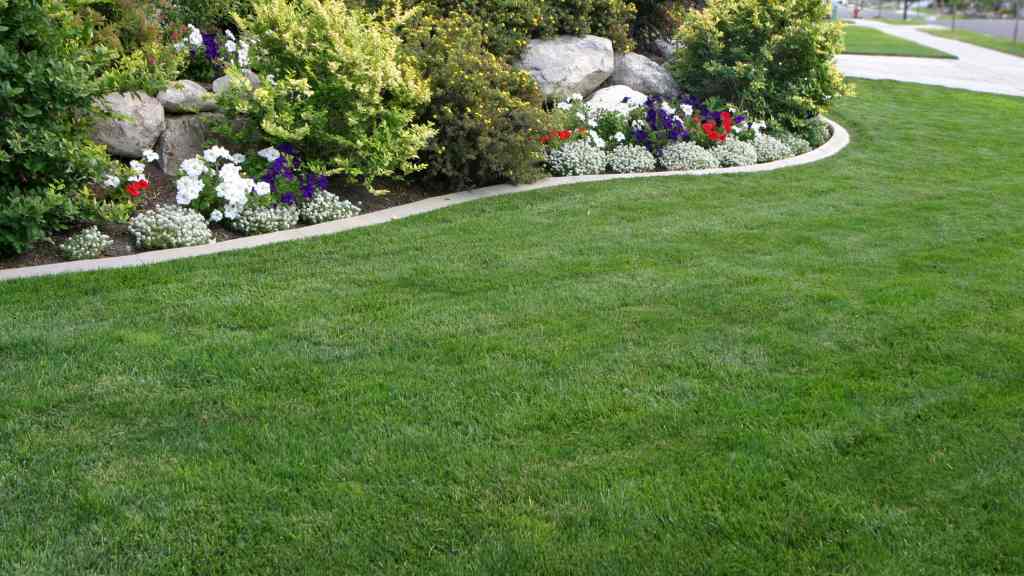
The beds along the front of a house that set the whole impression of it. Planted for year round structure rather than one good month.
| Area of Langley | What we usually find | What the bed needs |
|---|---|---|
| Willoughby and Yorkson | Newer builds on thin topsoil graded flat over compacted clay. Beds sink and puddle within two winters. | Raised beds, drainage layer, real soil mix |
| Murrayville and Langley City | Established gardens with mature trees. Deep shade and root competition under the canopy line. | Shade planting, in ground borders, root aware depth |
| Walnut Grove | Mixed age family properties where beds were built once and never topped up or edged since. | Edging renewal, soil top up, replanting gaps |
| Fort Langley | Heritage settings where a bed has to suit the house rather than look newly installed. | Sympathetic planting, timber and stone edging |
| Brookswood and Fernridge | Larger lots, sandier in places and wet in others, so one bed spec rarely suits the whole property. | Zoned soil mixes, drainage checked per bed |
| Aldergrove and Milner | Acreage and semi rural properties with wind exposure and long frontages. | Shelter planting, robust edging, larger borders |
It depends on size, what it is sided with, how much soil goes in and what gets planted. A small timber raised bed and a stone sided border running the front of a house are very different numbers. We measure it and quote in writing.
On heavy clay, raised usually wins, because you are building good soil rather than trying to fix what is there. Where drainage is decent an in ground border looks more natural and costs less. We will tell you which your ground actually suits.
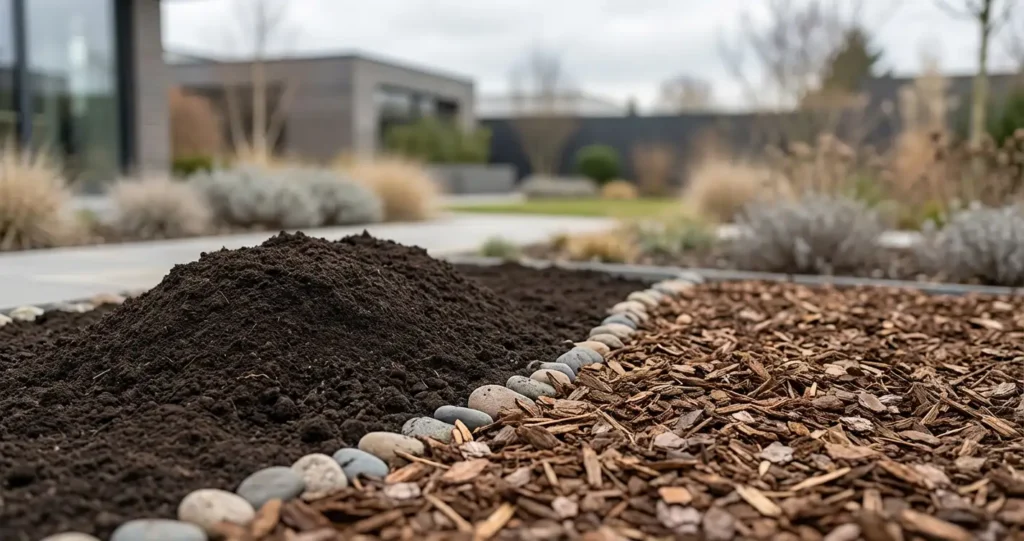
A blended mix rather than bagged topsoil on its own, chosen for what is going in. Vegetables want something different from shrubs. Getting this right is most of the reason a bed thrives or sulks.
Untreated cedar where budget allows, because it lasts well here and is safe around food crops. We will talk through the options and what each will realistically look like in ten years.
Yes, and it is usually better that way. Planting chosen with the soil mix and the light in mind does far better than a bed built by one person and planted by another.
The build can happen almost any time the ground is workable. Planting is best either side of summer, spring or early autumn, so roots establish before heat or hard frost.
Yes. Anything we strip or excavate leaves with us and is disposed of properly, and that is in the quoted price rather than added later.
Yes, and they are worth building differently: sized so you can reach the centre, deeper than an ornamental bed, and filled with a mix meant for growing food.