
What Is Mulching and Why Does It Matter?
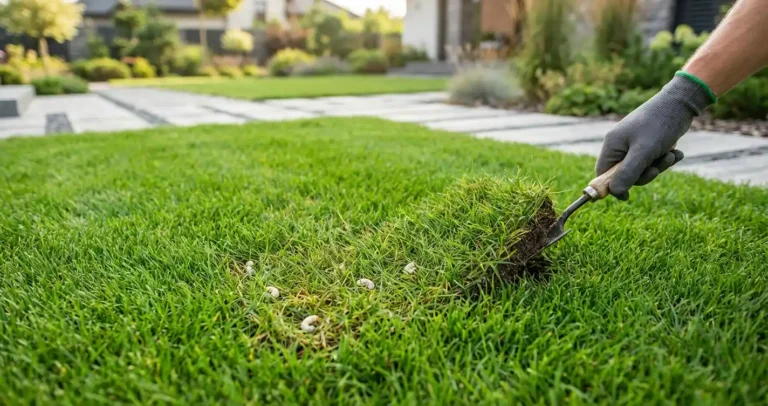
Mulching means cutting grass into small pieces and leaving them on the lawn. A mulching mower chops the clippings many times. The tiny pieces fall between the grass blades. They break down fast. When clippings break down, they put food back into the soil. Grass clippings are 80 to 85 percent water. They also have about 4 percent nitrogen.1 That nitrogen feeds your lawn. Mulched clippings can give your lawn up to 25 percent of the food it needs each year. This means you need less fertilizer.1How Mulching Helps Your Soil
Clippings do more than add nitrogen. When they break down, they feed tiny bugs in the soil. These bugs help build good soil. They make food available to grass roots. Over time, this makes your lawn stronger. Mulching also keeps water in the soil during dry months. A thin layer of clippings slows down water from drying up. This keeps roots watered between rainy days. It stops brown patches in July and August.Why Mulching Is Good for the Environment
Yard waste makes up a lot of trash in many towns. When grass clippings go to the dump, they make a gas called methane. Methane is bad for our planet. Mulching your clippings keeps them out of the dump. It puts their food back to work in your lawn. Mulching also helps the air. It cuts down on trucks taking trash away. Towns across Canada teach people about grasscycling. It can cut fertilizer use by up to 25 percent in each home.3 For Langley homeowners who care about the earth, mulching is one of the easiest ways to help in 2026.When You Should Mulch Your Lawn Clippings in Langley
The best time to mulch is when grass is dry. Mow at the right height. Only cut off the top one-third of each grass blade. This keeps clippings short. Short clippings fall down between the blades. They break down fast.Best Times to Mulch in Langley
Spring 2026 (April to June): Grass grows fast in spring. Mow often to keep clippings short. This is the best time to mulch in Langley. Warm days and rain help clippings break down quickly. Late Summer 2026 (July to September): Grass grows slower in dry months. Mulching helps keep water in the soil. Just make sure you mow before grass gets too long. Long, dry clippings can leave thick clumps that kill the grass below. Fall 2026 (October to November): Fall is another good time to mulch. Cool weather and more rain help clippings break down. Mulched clippings feed the lawn before winter.Best Grass Conditions for Mulching
Mulch when grass is dry. Wet grass sticks together. It does not spread out evenly. Clumps block sun and air from the grass below. This can kill spots in your lawn. Wait at least 24 hours after rain before you mow. In Langley, October through March brings heavy rain. You may need to skip a mow during wet weeks. Waiting helps your lawn stay healthy.How Wet Grass Affects Mulching
Wet grass is heavy. It sticks together. It clogs mower blades. The clippings stick in thick mats. These mats block air and light from the grass below. Wet clumps take longer to break down. They can make a thick layer on the soil. Too much of this layer blocks water from reaching roots. This makes your lawn weak over time. If rain is coming in a few hours, wait. Let the grass dry out after the rain passes. This simple step stops most mulching problems in Langley.When to Bag Your Lawn Clippings Instead
You do not always need to bag clippings. But sometimes it makes sense. Knowing when to bag helps you avoid lawn problems.When You Should Bag Clippings
- Too-Long Grass: If you missed a mow and grass is very tall, bag the clippings. Long clippings make thick clumps that kill the grass below.
- Lots of Weeds: If your lawn has many weeds with seeds, bag the clippings. This stops weed seeds from spreading.
- Lawn Disease: If your lawn has brown patches or rust, bag the clippings. This stops the disease from spreading.
- Clean Look: Some people like the neat look that bagging gives. This is good before having guests over.
Why Bagging Is Not Always Best
Bagging takes away good stuff from your lawn. You lose the free food that clippings give. This means you will need to add more fertilizer to keep grass healthy. Bagging also makes more trash. You have to empty the bag. You have to take it to the curb or dump. This takes extra time. In Langley, yard waste pickup is available. But many people find mulching easier. Bagging also stops the natural cycle. Your clippings go to a dump instead of feeding your soil. Mulching keeps food on your property where it belongs.
How to Mow for Better Mulching
The right mowing helps mulching work better. Small changes to how you mow can make clippings break down faster. This keeps your lawn healthy all season.How High to Cut Your Grass
Set your mower to 2.5 to 3.5 inches for most Langley lawns. This height helps roots grow deep. It helps grass survive dry times. Cutting too short stresses grass. It makes weeds and disease worse. In summer, raise the cutting height to 3 to 4 inches. Taller grass shades the soil. This slows water loss. This is very important in July and August when rain is low. Never cut more than one-third of the grass blade at once. If your lawn gets too long, raise the mower deck. Make the first pass higher. Then lower it and mow again a few days later. This keeps clippings small.Using a Mulching Mower
A mulching mower has a special deck and blade. The blade cuts grass many times before dropping it. This makes very small clippings. Small clippings fall between the grass blades easily. Keep blades sharp. Dull blades tear grass instead of cutting it clean. Torn grass turns brown at the tips. It takes longer to heal. Sharp blades make clean cuts. Clean cuts help grass grow better. You can still mulch with a regular mower. Just remove the bag. Close the side opening. The results will not be as fine. But you still return food to the soil. For the best results, try our lawn care services in Langley.What to Know About Thatch
Thatch is a layer of dead grass stems and roots. It builds up between the soil and green grass. A thin layer is normal. But too much thatch blocks water and air from reaching roots. Mulching clippings does not cause thatch. Thatch comes from grass stems and roots. Clippings are mostly water. They break down fast. Stems and roots have something called lignin. Lignin breaks down very slowly.2 If your lawn has thick thatch, aerate in spring or fall. Aeration pulls small plugs of soil from the lawn. This helps air, water, and food reach the roots. Most Langley lawns need aeration every one to two years. This is especially true if you have heavy clay soil.What to Do with Bagged Clippings
Sometimes you need to bag clippings. When that happens, you have several options.Letting Clippings Break Down Naturally
If you leave clippings on the lawn, spread them out evenly. Rake any thick clumps to break them up. Even spreading helps clippings break down fast. It stops them from killing grass below. In Langley’s wet weather, clippings break down in one to two weeks. Warm days and moisture speed things up. By the time you mow again, the old clippings will be gone.Making Compost from Lawn Clippings
Grass clippings make great compost. They have lots of nitrogen. Nitrogen helps heat up the compost pile. This speeds up breaking down. Mix clippings with brown stuff like leaves or cardboard. Do not add thick layers of fresh clippings all at once. Too much green stuff makes the pile slimy and smelly. Add clippings in thin layers. Mix them well with brown stuff. Turn the pile every few weeks to keep air moving. Finished compost is great for garden beds. Spread it around flowers and plants. It makes soil better and helps plants grow. Learn more about using compost and mulch together for the best results.How to Throw Away Lawn Clippings
If you cannot compost or mulch clippings, use your local yard waste program. In Langley, the Township picks up yard waste. Put clippings in paper yard waste bags or your green cart. Do not use plastic bags. They are not allowed. You can also use bagged clippings as mulch in other parts of your yard. Spread them around trees or shrubs. Spread them in vegetable gardens. A thin layer helps stop weeds. It keeps water in soil. Just do not make thick clumps.Common Mistakes Langley Homeowners Make
Even people who know a lot about lawns make mistakes. Here are the most common problems we see.Mulching Wet Grass
Mulching wet grass is the number one mistake. Wet clippings stick together. They leave thick mats on the lawn. These mats block light and air. They can kill the grass underneath. Always wait for grass to dry before you mow.Cutting Too Much Grass at Once
Cutting more than one-third of the grass blade hurts the plant. It also makes long, thick clippings. These clippings do not break down fast. If your lawn gets too long, raise the mower deck. Make several passes over a few days.Using Dull Mower Blades
Dull blades tear grass instead of cutting it clean. Torn grass turns brown. It gets sick easier. Sharpen your mower blades at least twice each season. In Langley, where grass grows fast in spring and fall, you may need to sharpen them more often.Ignoring Thatch Buildup
Some people worry that mulching causes thatch. It does not. But if you ignore real thatch from stems and roots, your lawn will have problems. Aerate often. Check thatch levels. If thatch gets thicker than half an inch, remove it in spring or fall.Mulching in Different Seasons
Each season brings different challenges. Here is what to expect and how to change your approach.Spring 2026 Tips
Spring is the best time to mulch in Langley. Grass grows fast from April through June. Mow often to keep clippings short. Warm soil and regular rain help clippings break down fast. In spring, watch for wet weather. April and May still get heavy rain. Wait for dry days to mow. If you need help with spring growth, our yard cleanup services can prepare your lawn.Summer 2026 Tips
Summer brings dry weather to Langley. July and August see very little rain. Mulching helps keep water in the soil. Raise your mower deck to 3 to 4 inches. Taller grass shades the soil. This cuts down on water loss. Grass grows slower in summer heat. You may only need to mow every 10 to 14 days. Make sure clippings are dry before you mulch. Even in dry months, morning dew can make grass wet enough to clump.Fall 2026 Tips
Fall is the second-best time to mulch. Cool weather and more rain help clippings break down. Grass grows well again in September and October. Mulched clippings feed the lawn before winter. By late October and November, rain comes more often. Watch the weather. Mow during dry times. If the ground stays too wet, bag clippings to avoid making thick, soggy mats.Winter 2026–2027 Lawn Care
Many Langley lawns go to sleep in December and January. Grass growth stops or slows way down. You will not need to mow during these months. Use this time to fix your mower. Sharpen blades. Plan for the next growing season. If you mow in late November or early March, follow the same rules. Keep grass dry. Cut only one-third of the blade height. These mows prepare your lawn for winter sleep or spring wake-up.Equipment and Tools You Need
The right tools make mulching easier. Here is what you need.Choosing a Mulching Mower
A mulching mower has a curved blade and a closed deck. The blade lifts clippings. It cuts them many times before dropping them. This makes very small clippings. Small clippings break down fast. Look for mowers that let you change the cutting height. You need to change the height with the seasons. In spring and fall, mow at 2.5 to 3 inches. In summer, raise it to 3.5 to 4 inches. Battery-powered mowers have become more popular in 2026. They make less noise. They make no smoke. For larger Langley yards, you may still need a gas mower or riding mower.Taking Care of Mower Blades
Sharp blades are very important. Check your blades every month during the growing season. Look for nicks and dull edges. Sharpen blades at least twice each season. Sharpen more often if you mow a lot. You can sharpen blades yourself with a file. Or take them to a hardware store. Keep a spare blade on hand. This lets you swap them out fast.Other Helpful Tools
- Rake: Use a leaf rake to spread clumps of clippings.
- Aerator: Rent or buy a tool that pulls plugs of soil from the lawn. This helps cut down thatch.
- String Trimmer: Trim edges to keep your lawn looking neat.
- Safety Gear: Wear eye protection and sturdy shoes when you mow.
Common Questions About Mulching
Does Mulching Grass Clippings Cause Thatch?
No. Grass clippings are mostly water. They break down fast. Thatch comes from grass stems and roots. These have lignin. Lignin breaks down very slowly. Mulching does not cause thatch.Can I Mulch Leaves with Grass Clippings?
Yes. Mulching leaves along with grass clippings works well in fall. Make sure leaves are dry. Chop them into small pieces. Thick layers of whole leaves can kill grass. Run the mower over leaves many times to chop them fine.How Often Should I Mulch My Lawn?
Mulch every time you mow if conditions are right. In spring and fall, this may be once per week. In summer, it may be every 10 to 14 days. The key is to mow often enough that you only cut one-third of the grass blade.Is Mulching Better Than Bagging?
Mulching is better for the earth and for your lawn. It gives food back to the soil. It saves time. Bagging is only needed when grass is too long, full of weeds, or sick. For most mows, mulching is the better choice.Can I Mulch If I Have Weeds in My Lawn?
Yes, but be careful. If weeds have not made seeds yet, mulching is fine. If weeds have seed heads, bag the clippings. This stops seeds from spreading. Once you control the weeds, you can go back to mulching.What Should I Do with Clippings After Heavy Rain?
Wait for grass to dry before you mow. If you must mow wet grass, bag the clippings. Wet clippings stick together. They can kill the lawn. Waiting is the best plan after heavy rain in Langley.Mulch or Bag? Season-by-Season Decision Guide for BC Lawns
The single biggest question Langley homeowners ask about mulching is the simplest: “Should I mulch or bag THIS time?” The right answer changes with the season, the weather, the lawn’s current condition, and the mower setup. Here’s the BC-specific decision tree we use across the Fraser Valley:
Spring (March-May): The first mow is different from the rest
First mow of the season: Bag it. After a winter of wet weather, the lawn has matted thatch, dead grass, and decomposing leaf debris that needs to come off the property. Mulching this material recycles disease-friendly organic matter back into the lawn just as growth starts. Bag the first cut, then start mulching from cut #2 onward.
Spring mows 2-6 (April through May): Mulch unless the grass is more than 1/3 too tall. Spring growth is fast and the nitrogen from mulched clippings is exactly what the lawn needs. The exception: if you’ve let the grass grow over 4 inches before cutting, bag the first pass and then mulch the second pass.
Summer (June-August): Drought changes everything
Active growth, regular watering: Mulch. The clipping coverage helps retain soil moisture and shades roots during heat.
Drought conditions, lawn going dormant: Skip mowing entirely if possible. If you must mow brown lawn (for HOA reasons, etc), bag — dry clippings don’t break down and become a fire hazard layer.
Fall (September-November): The transition cuts matter most
September through mid-October: Mulch. Fall fertilization season; clippings recycle nutrients during the most important growth period for root development.
Last mow before winter (typically late October-mid November in the Fraser Valley): Bag. You want the lawn cut short (2-2.5 inches) and clear of organic debris going into winter to prevent snow mold and pink/grey mold issues during the wet BC dormant season. See our full fall yard cleanup checklist for the complete late-season protocol.
Winter (December-February): Don’t mow at all
BC’s mild winters mean some homeowners are tempted to do a January “clean-up” cut. Don’t. Cutting grass below 2 inches in winter exposes crowns to freeze damage. If the lawn looks ragged, wait until the first warm spell in late February or early March to bag-cut it.
First Mow of Spring vs Last Mow Before Winter: What’s Actually Different
The two highest-stakes mows of the year are the first one in spring and the last one in fall. Doing both wrong sets up the lawn for problems that take months to recover from.
First mow of spring (March-early April in Langley)
Cut height: 2.5-3 inches (one notch lower than your summer height). The slightly shorter cut helps sunlight reach the soil and starts growth. Bag the clippings — they contain winter debris, dead thatch, and the first wave of weed seeds. Apply a balanced slow-release lawn fertilizer within 1-2 weeks of this cut. Pair with spring lawn aeration if your soil is compacted from a wet winter.
Last mow before winter (late October-mid November)
Cut height: 2-2.5 inches (about an inch shorter than summer). Bag the clippings to remove the layer of fallen leaves and grass debris that becomes snow mold habitat. Apply a high-potassium winterizer fertilizer at this cut. Make sure your mower blade is sharp — torn grass blades (from dull blades) heal slowly going into winter and become entry points for fungal disease.
For homeowners using professional lawn mowing in Langley, these two cuts are usually the easiest to outsource — they require specific timing and the right equipment setup, and getting them wrong is expensive to fix later.
Mulching Wet vs Dry Grass: The Disease Risk Few Homeowners Know About
Mulching grass clippings when the lawn is wet is the most common cause of fungal disease outbreaks in Fraser Valley lawns. The pattern documented across r/lawncare and r/gardening: homeowner mows after rain, mulches the wet clippings, then 7-14 days later sees rapid-spreading patches of red thread, dollar spot, or pythium blight.
Why it happens: wet clippings clump rather than disperse evenly through the lawn canopy. The clumps create persistent moist conditions on the soil surface — perfect fungal incubators. In BC’s already-wet Pacific Northwest climate, this tips lawns into disease pressure they wouldn’t otherwise face.
Rules to follow:
- Never mulch on visibly wet grass. If walking on the lawn leaves footprints, it’s too wet.
- Bag if you must mow within 24 hours of rain. Better to remove wet clippings than spread fungal habitat.
- Use the highest cut setting in wet conditions. Taking less off reduces clump volume.
- Watch for warning signs. Red thread (pinkish thread-like growth on grass tips) and dollar spot (small bleached spots) typically appear within 14 days of wet mulching. If you spot them, switch to bagging until the lawn dries fully.
- Sharpen blades monthly during peak season. Dull blades tear grass instead of cutting cleanly, which both worsens disease risk and reduces mulching effectiveness.
If your lawn already shows signs of fungal disease, professional lawn care service in Langley can apply targeted fungicide and re-establish a healthy mowing routine. Our guide to brown patches and lawn disease covers diagnostic ID and treatment options for common BC lawn issues.
Should I mulch or bag the first lawn cut of the season in BC?
Bag the first cut. After a wet winter, the lawn has accumulated thatch, dead grass, leaf debris, and weed seeds. Mulching this material spreads disease pathogens and weed pressure back into your lawn just as it’s starting to grow. From cut #2 onward, switch to mulching unless the grass is overgrown.
Is it okay to mulch the last fall mow before winter?
No. The last fall mow should be bagged to remove organic debris that becomes snow mold habitat during BC’s wet winter dormancy. Cut height should be 2-2.5 inches (slightly shorter than summer) and the lawn should be clear of fallen leaves and clipping piles going into winter.
Can mulching grass clippings cause lawn disease?
Yes — specifically when you mulch wet clippings or mulch too thick. Clumps of wet grass create persistent moisture pockets that incubate red thread, pythium, and dollar spot fungi. In BC’s already-damp climate, this is a recognized failure pattern. Always wait for the lawn to dry before mulching, and bag if you must mow within 24 hours of rain. See our guide on how mowing practices affect lawn health for the broader prevention picture.
Why Choose Professional Lawn Care in Langley
Lawn care takes time and know-how. Many Langley homeowners hire experts who understand local weather and have the right tools.Why Hire Lawn Care Experts
- Regular Schedule: Experts mow on a set schedule so your lawn always looks great.
- Better Tools: Professional mowers and tools work better than most home tools.
- Expert Know-How: Experts know when to mulch and when to bag. They know how to change with the seasons.
- Time Savings: Free up your weekends for family time instead of yard work.
What to Look for in a Lawn Care Company
Pick a company with local know-how. Langley’s weather and soil are different from other parts of BC. Look for companies that understand zone 8b weather and Fraser Valley clay soil. Check for insurance. Good companies have insurance. They hire trained workers. Ask about their tools. Ask if they use mulching mowers. At Splendid Landscaping Services, we have helped homeowners all over Langley, Surrey, and the Fraser Valley. Our team understands zone 8b lawns. We use the best tools. We follow the best ways to mulch and care for lawns. Contact us today for a free quote.Make Mulching Work for Your Langley Lawn
Mulching lawn clippings is one of the easiest ways to help your lawn. It gives food back to the soil. It saves time. It cuts down on trash. When done right, mulching makes a healthier, greener lawn that does well in Langley. The key is knowing when to mulch and when to bag. Mulch when grass is dry. Only cut one-third of the blade height. Bag when grass is too long, wet, or full of weeds. Follow these tips to get the best results all year. Whether you care for your lawn yourself or hire experts, the rules stay the same. Keep blades sharp. Mow at the right height. Change your plan with the seasons. For help with your Langley lawn, Splendid Landscaping Services is here to help. Get your free quote today and enjoy a healthier, more beautiful lawn in 2026.References
- University of Missouri Extension. Grass Clippings, Compost and Mulch: Questions and Answers. Publication G6958. Available at: https://extension.missouri.edu/publications/g6958
- Penn State Extension. Managing Thatch in Lawns. Available at: https://extension.psu.edu/managing-thatch-in-lawns
- City of Edmonton. Go Bagless: Grasscycling Information. Available at: https://www.edmonton.ca/programs_services/garbage_waste/grasscycling