
Hedge Trimming in Langley, BC
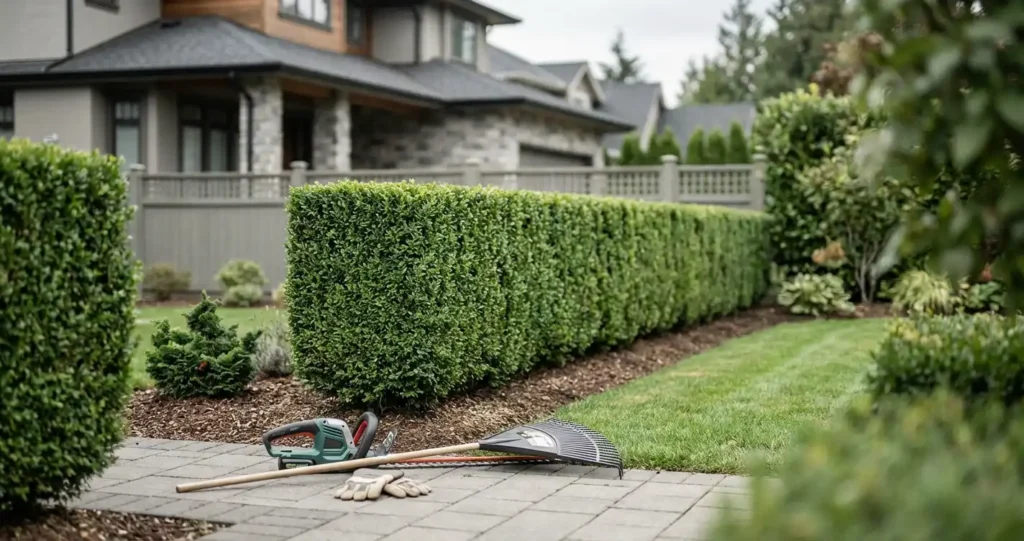
How far a hedge can be cut back, before we start rather than after
Dense hedges hold nests through spring and early summer
BC Landscape and Nursery Association standards
Walnut Grove, Willoughby, Murrayville and Brookswood
Cedar Does Not Grow Back From Brown Wood
- The width of a cedar hedge is set the first time it gets away from you. After that you are maintaining it, not reducing it
- We mark the line with you before starting, so you can see where the green stops and what is actually on the table
- If it has already been cut into the brown we will say so honestly rather than trim it and let you find out next spring
- Laurel and privet are far more forgiving and will usually push new growth from bare wood, so a broadleaf hedge can be taken back much harder than a cedar one
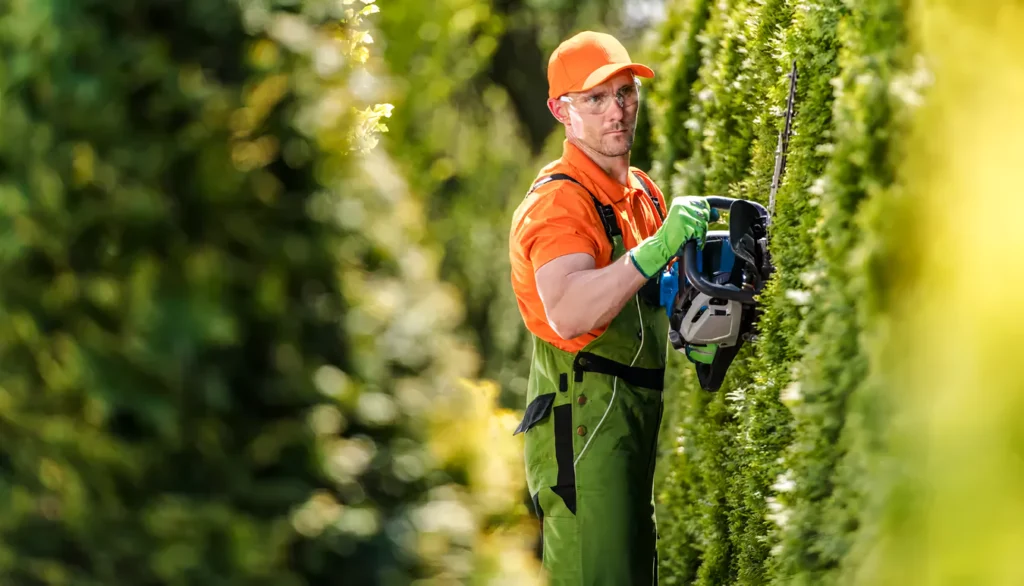
Overgrown Hedges: What We Can and Cannot Fix
Too tall
Almost always fixable. Height comes off the top, and on cedar the top is the one place a reduction shows least, because you are looking at it from below.
Too wide
This is the hard one on cedar. Bringing the sides in usually means cutting into wood that will not refoliate, so there is a limit and we will show you where it sits.
Gappy at the base
Usually shade and age rather than neglect. Thinning above can help light reach the bottom, but a bare cedar base does not fill back in.
Leaning or splaying
Often a snow load or a wet winter that has opened the crown. Tying and selective reduction can help, and sometimes the honest answer is replacement of a section.
When We Trim, and Why We Look First
- If we find an active nest we stop and come back once it is finished, and we will tell you why rather than quietly reschedule
- Outside the nesting months the timing question is horticultural rather than legal
- We avoid trimming into hard frost, because fresh cuts on cold cedar take longer to close
- We are not the authority here and we do not give legal advice. What we do is look properly and act on what we find
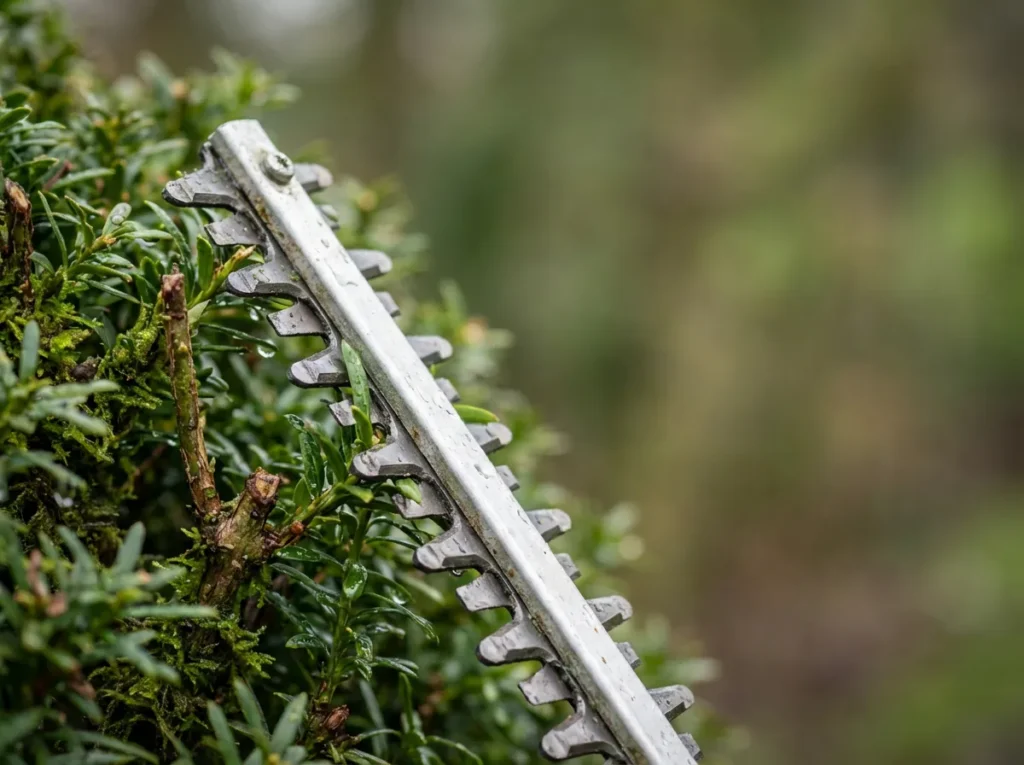
What a Langley Hedge Trimming Visit Includes
Before we cut
- The finished height and line agreed with you
- A look for nests through spring and early summer
- Where the green stops on a cedar run, pointed out
- Access and where the trailer sits
The trim
- Sides and top cut to the agreed line
- A slight taper so light reaches the base
- Faces kept flat rather than scalloped
- Dead and crossing growth taken out by hand
Before we leave
- Clippings raked out of the hedge, not left in it
- Beds and lawn cleared of cuttings
- Hard surfaces blown down
- Everything hauled away, inside the quoted price
Hedge Trimming Across Langley
| Area of Langley | What we usually find | How we approach it |
|---|---|---|
| Walnut Grove | Mature cedar boundary hedges planted with the subdivisions, many now well over the height anyone wants | Height first, then a maintenance cut each year so it never has to be cut into the brown again |
| Willoughby, Yorkson and Latimer | The newest streets, so young cedar and laurel still being trained | Light frequent trims to build density early, which is the cheapest hedge work there is |
| Murrayville, Brookswood and Fernridge | Large lots and long runs, often mixed cedar and laurel on the same boundary | Two species on one line means two limits, so we mark them separately |
| Fort Langley, Glen Valley, Salmon River and Campbell Valley | Rural frontages, long roadside runs and older mixed planting | Access and turning room decide the approach more than the hedge does |
| Langley City and Willowbrook | Tighter lots inside the City rather than the Township, and a lot of hedges sitting right on a shared boundary | We trim your side to the agreed line, and it goes easier when the neighbour knows it is happening |
Hedge Trimming Questions From Langley
Usually not, and this is the question we answer most often. Cedar does not grow back from old bare wood, so if cutting to the fence means going past the green you would be left with a permanent brown wall. We will come and show you where the green stops, and you can decide from there.
Honestly, probably not. Cedar refoliates from green growth and not from bare wood, so patches cut too hard tend to stay. Thinning above to get light down can help the surrounding growth close over a small gap, but a large one is permanent.
Yes. Trimming is not against the law at any time of year. What is protected is an active nest, under the BC Wildlife Act and the federal Migratory Birds Convention Act. Nesting in the Lower Mainland runs roughly April through July, so in those months we check the hedge before we cut and reschedule if we find one.
Once a year keeps it in bounds. Twice a year keeps it tight and dense and means the cut is always in soft new growth. The reason to stay on top of it is not neatness, it is that you never end up needing to cut into wood that will not recover.
Yes, and the top is the most forgiving place to take length off, because you see it from underneath. What we will not do is take a cedar down so far that the cut sits in old wood without telling you what that will look like afterwards.
Growth on your side is yours to trim, and we will cut to the line you agree with us. It always goes better when the neighbour knows the work is happening, particularly on a shared cedar run where one side being cut hard shows from both.
Yes, always, and it is inside the quoted price rather than added afterwards. We also rake the clippings out of the hedge itself, which is the bit most often skipped and the reason a trimmed hedge can still look untidy.
It depends on the length, the height, how far it has got away and whether a ladder or platform is needed. A waist high boxwood run and a twelve foot cedar boundary are not comparable. We look at it, quote in writing, and the number does not move.