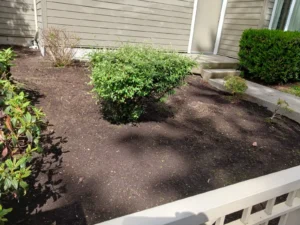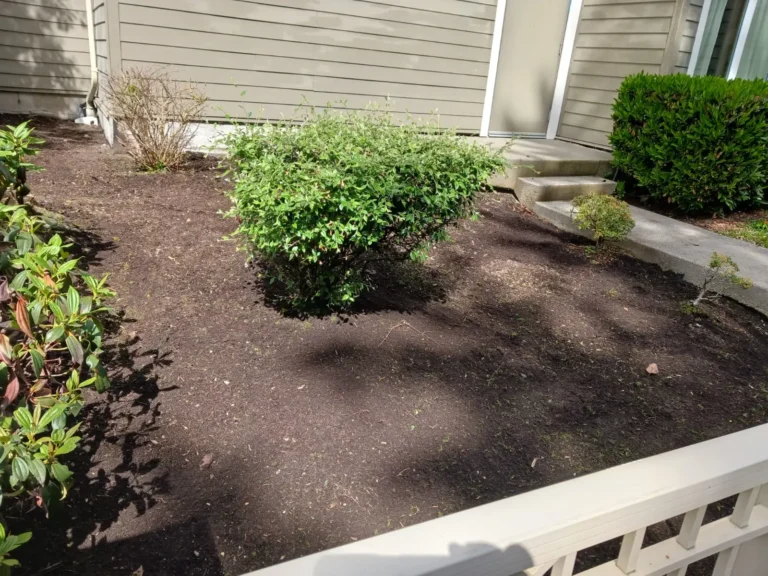
What Is Fall Yard Cleanup?
Fall yard cleanup gets your outdoor space ready for winter. It also helps your lawn and garden grow better in spring. This means raking leaves, cutting back plants, pulling weeds, and cleaning up garden beds. These jobs protect your yard from snow, ice, and bugs during the cold months.
A good fall cleanup makes your yard look nice and helps plants stay healthy. When you do these tasks before winter, you save money and have less work to do in spring. Professional yard cleanup services can help you get all these jobs done quickly.
Important Fall Yard Cleanup Jobs
Task | What It Does |
Remove Leaves & Debris | Stops mold from growing and keeps soil healthy |
Prune Shrubs & Trees | Cuts back old branches so plants grow better in spring |
Fertilize Your Lawn | Feeds grass so roots stay strong all winter |
Plant Fall Perennials | Adds tough plants that like cool weather |
Want to make your yard look great? Click to get a free quote at Splendid Landscaping Services.
Why Fall Yard Cleanup Helps Your Home
Taking care of your yard in fall does more than make it look pretty. Jobs like raking leaves, trimming plants, and picking up sticks help your yard stay safe from winter weather. This gets everything ready to grow well when spring comes.<sup>1</sup>
When you clean up your yard in fall, you stop bugs, mold, and plant diseases before they become big problems. Cutting dead branches keeps trees from breaking in winter storms. This keeps your family safe and your home looking good all year.
Yards that get ready for winter stay healthier in cold weather and need less work when warm weather starts again.
Complete Fall Yard Cleanup Checklist for 2026
1. Rake and Remove Fallen Leaves
Pick up leaves from your lawn, flower beds, and sidewalks as they fall. When leaves pile up, they block sunshine and trap water. This makes mold grow and can hurt your grass. Pick up leaves every week instead of waiting until all trees are bare.
Thick piles of leaves kill grass by not letting air reach the dirt. You can turn old leaves into compost to make your garden soil better in spring.
2. Prune Trees, Shrubs, and Perennials
Cut off dead branches and old flowers to get your yard ready for winter. This makes your yard look better and helps plants grow in spring. Cut away sick or broken branches that might fall when snow piles up.
Wait until plants stop growing for the year before you do big cutting jobs. Never cut off more than one third of a plant at one time.
3. Clean Up Garden Beds
Pull out dead plants and weeds from garden beds before cold weather starts. After you clean them out, put mulch on top to keep plant roots warm. This stops the ground from pushing plants up when it freezes and thaws.
Take out plants that only live one year. Leave plants that come back every year, but give them protection from winter cold.
4. Mow the Lawn for the Final Time
Cut your grass one last time before winter to keep it healthy. Make it a little shorter than summer, about 2 to 2.5 inches tall. This stops mold from growing under snow but does not cut grass too short. Professional lawn care services can cut your grass the right height to get ready for winter.
Do this last mowing when grass stops growing fast but before the ground freezes. Pick up grass clippings if they make thick piles that could hurt your lawn.
5. Aerate and Fertilize the Lawn
Poke small holes in your lawn to help air and water reach plant roots before winter. This lets roots breathe and get food more easily. Doing this in fall helps grass grow strong roots for spring.
After making holes, spread fertilizer to feed your grass. Pick fertilizer with more potassium to make grass tough enough for cold weather.
6. Overseed Bare Spots in Your Lawn
Put new grass seed on thin spots to make your lawn fuller by spring. Fall is a great time to plant grass seed because the dirt is warm but the air is cool. New grass makes strong roots before winter comes.
Pick seeds that match the grass you already have. Keep new seed spots wet until grass starts growing, which takes about 7 to 14 days.
7. Clear Out Debris and Dead Plants
Pick up sticks, branches, leaves, and other junk from your yard to keep grass healthy. Piles of stuff block sunshine, give bugs places to live, and stop grass from growing well. Keeping your yard clean makes it look nice and stay healthy. For big cleanup jobs, think about using professional yard cleanup services in Langley.
Look under leaf piles for toys, tools, or decorations you might have lost. Throw away sick plants instead of putting them in your compost pile.
8. Compost Yard Waste
Turn old grass clippings, leaves, and plant bits into compost for your garden. Compost is good for plants and helps you make less trash. Mix brown stuff (leaves, twigs) with green stuff (grass, fresh plants) for best results.
Keep your compost pile damp and turn it often to make it break down faster. Do not compost sick plants or weeds with seeds.
9. Winterize Garden Beds
Keep plants safe from cold by putting mulch on top and covering delicate ones. Mulch works like a blanket to stop dirt from getting too hot or too cold. Use shredded bark, straw, or leaves to keep plants warm.
Cover tender plants with burlap or special cloth when freezing weather comes. Take covers off during warm days so plants do not get too wet and rot.
10. Plant Spring Bulbs
Put flower bulbs in the ground during fall for pretty blooms next spring. Tulips, daffodils, crocuses, and hyacinths need cold weather to grow right. Plant bulbs 6 to 8 weeks before the ground freezes solid.
Pick spots with good drainage and the right amount of sun for each type of bulb. Plant bulbs about three times as deep as they are tall, with the pointy end up.
11. Wrap Delicate Trees and Shrubs
Protect young plants from tough winter weather with burlap or frost cloth covers. This keeps them safe from freezing cold, dry wind, and heavy snow. Focus on new trees, evergreens, and plants that are not very tough.
Wrap them loosely so air can move around but still keep them warm. Take wraps off in early spring when freezing weather is done.
12. Store Outdoor Furniture and Equipment
Clean garden tools well to get rid of dirt before you put them away. Keep tools in dry places so they do not rust. Roll up hoses and put them somewhere covered so they do not freeze. Clean and dry outdoor furniture before storing it somewhere safe.
Empty gas from power tools or add special fuel treatment for winter. Make tool blades sharp and oily before storing them.
13. Clean Gutters and Downspouts
Take leaves, sticks, and junk out of gutters so they do not clog. This makes sure water flows right and does not damage your roof or house foundation. Clogged gutters cause ice dams, water backups, and house problems in winter.
Make sure downspouts point water at least 6 feet away from your house. Put gutter guards on to make cleaning easier next time.
14. Check Trees for Disease and Pests
Look at your trees carefully before winter to find problems early. Watch for signs of sickness, bugs, weak spots, and overall health. Fixing problems now helps trees survive winter and grow well later.
Look for strange bark patterns, fungus growing, or bug damage. Call tree experts if you find big problems or think a tree needs to come down.
15. Add a Fresh Layer of Mulch
Put mulch on garden beds for winter protection. Mulch keeps dirt temperature steady when it freezes and thaws. This stops the ground from pushing plant roots up where cold can hurt them. Mulch keeps your garden safe during cold months.
Use 2 to 4 inches of mulch around plants, but keep it away from stems and tree trunks. Natural mulches break down over time and make your soil better.
16. Drain and Store Hoses and Irrigation Systems
Get sprinkler systems ready for winter before the first freeze. Empty water from systems and turn them off so pipes do not freeze and break. Unhook garden hoses, empty them out, and store them somewhere protected.
Blow water out of underground sprinkler lines with an air compressor. Wrap outdoor water faucets to protect them from freezing.
17. Pressure Wash Hardscapes
Clean driveways, patios, and decks to remove dirt and grime. This keeps outdoor areas looking good and lasting longer. Regular cleaning stops mold, mildew, and stains from building up.
Use the right pressure setting for different surfaces. Seal cleaned areas if needed for extra protection from winter wetness.
18. Remove or Secure Yard Decor
Put away or tie down yard decorations so winter storms do not break them. Good storage keeps decorations nice for next year. Bring fragile things inside and tie down bigger pieces.
Empty fountains and water features completely before freezing weather. Put away light things that could blow away in wind.
19. Inspect Outdoor Lighting
Check or add lights along walkways for safety during short fall and winter days. Good lighting makes your yard look nice and keeps people safe by lighting up paths.
Replace dead bulbs and clean light covers. Think about switching to LED lights that use less power and last longer.
20. Set Up Cold Frames or Plant Covers
Make growing time longer by putting up cold frames or plant covers for cool weather vegetables and herbs. These help protect plants from frost so you can keep harvesting into winter. Cold frames trap sun heat during the day and keep plants warm at night.
Put cold frames in sunny spots with good drainage. Open covers on warm days so plants do not get too hot.
21. Check Fence and Gate Stability
Look at yard fences and gates for damage and fix problems before heavy snow comes. Fix loose boards, make weak spots stronger, and make sure gates work right. Fixing things now stops damage in winter.
Tighten loose screws and bolts and replace rotten posts or boards. Paint or stain wood fences to protect them better from weather.
22. Apply Winter Fertilizer to Shrubs and Trees
Help roots stay healthy by using special winter fertilizer. This gives plants food to survive tough winter weather and grow better in spring. Focus on trees and shrubs that have been around a while, not new ones.
Use fertilizer that releases food slowly and is made for fall. Water plants well after fertilizing to help food reach roots.
23. Dispose of Yard Waste Responsibly
Use compost bins for old plants, call your city for yard pickup, or take stuff to recycling centers. Throwing things away the right way keeps your neighborhood clean and helps the environment.
Check local rules about yard waste. Many cities offer free pickup of yard waste during fall.
24. Plan Next Year’s Garden Layout
Draw plans for your spring and summer gardens during quiet winter months. Think about what worked well and what needs to be better next year. Look up new plants and plan what to grow where in vegetable gardens.
Draw garden maps and order seeds or plants early to get the best choices. Think about adding plants that local bees and butterflies like.
25. Decorate for Fall
Make your home look nice by adding fall decorations like pumpkins and colorful flowers. Fall decorations make your home welcoming and celebrate the season.
Pick decorations that can handle weather. Change slowly from fall to winter decorations as seasons change.
26. Monitor Local Weather Patterns
Pay attention to when frost usually happens in your area and use this to plan yard work. This means getting gardens ready for first frost, protecting tender plants, and changing lawn care times for weather changes.
Watch temperatures closely as fall goes on. Be ready to cover tender plants when sudden cold comes.
27. Schedule Professional Services if Needed
Get help from experts for hard jobs like poking holes in lawns, cutting trees, or big yard changes. Professionals have special tools, knowledge, and experience for tough projects. This makes sure you get good results and stay safe.
Get prices from different companies and check what other people say about them before hiring. Schedule work early because professionals get busy during busy times.
28. Test Soil pH Levels
Check and fix soil pH to keep dirt good for plants. Right pH helps plants get the food and minerals they need to grow well. Most plants like soil that is slightly acidic to neutral.
Use simple soil test kits from garden stores. Fix soil based on test results using lime to make pH go up or sulfur to make it go down.
29. Cover and Protect Water Features
Cover outdoor fountains, ponds, and birdbaths to protect them from winter damage. This stops them from freezing and cracking in harsh winter weather. Empty fountains completely and bring pumps inside.
Use pond heaters to keep holes in ice so fish can survive. Clean features well before getting them ready for winter.
30. Organize Your Shed or Garage
Get tools ready and make storage spaces neat for easy winter access. This makes sure equipment is ready for winter jobs and gives you more storage room. Clean and fix tools before storing them.
Put up pegboards or shelves to organize better. Throw away broken tools and supplies you do not need anymore.
31. Gather Firewood for Outdoor Fire Pits
Make sure you have plenty of seasoned, dry firewood for outdoor fun. Wood that has dried properly burns cleaner and makes more heat than fresh wood. Stack firewood in dry, covered areas with good air flow.
Cut and stack wood at least 6 months before burning so it dries right. Keep wood off the ground on pallets or racks.
32. Inspect Lawn Edges and Borders
Fix damage and make edges clean for nice looking garden borders. Sharp edges make yards look professional and stop grass from growing into garden beds. Use edging tools or put in permanent edges.
Make borders clear again every year as they get less clear over time. Think about metal or plastic edging for edges that last long.
33. Enjoy a Final Outdoor Cleanup Day
Have a fall yard cleanup party with family and friends to enjoy nice fall weather while getting your yard ready for winter. This creates fun times together while getting seasonal work done. Share tips and stories about favorite fall activities.
Make work fun with music, snacks, and clear jobs for everyone. Celebrate finished work with outdoor parties around fire pits.
Professional Fall Cleanup Services in Langley BC
Getting your yard ready for fall keeps it healthy and looking good all year. Good fall cleaning stops plant diseases, bugs, and mess that cause spring problems. Important first steps are raking leaves, cutting back bushes, and cleaning garden beds.
Remember to clean gutters and poke holes in lawns for complete care. Splendid Landscaping Services does expert work so homeowners can enjoy clean, neat yards without doing the work. Our team handles every part of fall cleanup, from picking up leaves to getting things ready for winter. Learn more about our lawn care services and seasonal yard cleanup programs.
Contact us today for complete fall cleanup services made for Fraser Valley homes. We understand local weather challenges and give you solutions that protect your yard through winter and beyond.
Ready to enjoy a perfectly clean yard this fall? Get in touch with us right now for expert fall cleanup services!
Click here to get your free quote at Splendid Landscaping Services.
External References
[1] Iowa State University Extension and Outreach. “Late Summer and Fall Lawn Care.” Yard and Garden, August 2024. https://yardandgarden.extension.iastate.edu/how-to/late-summer-and-fall-lawn-care