
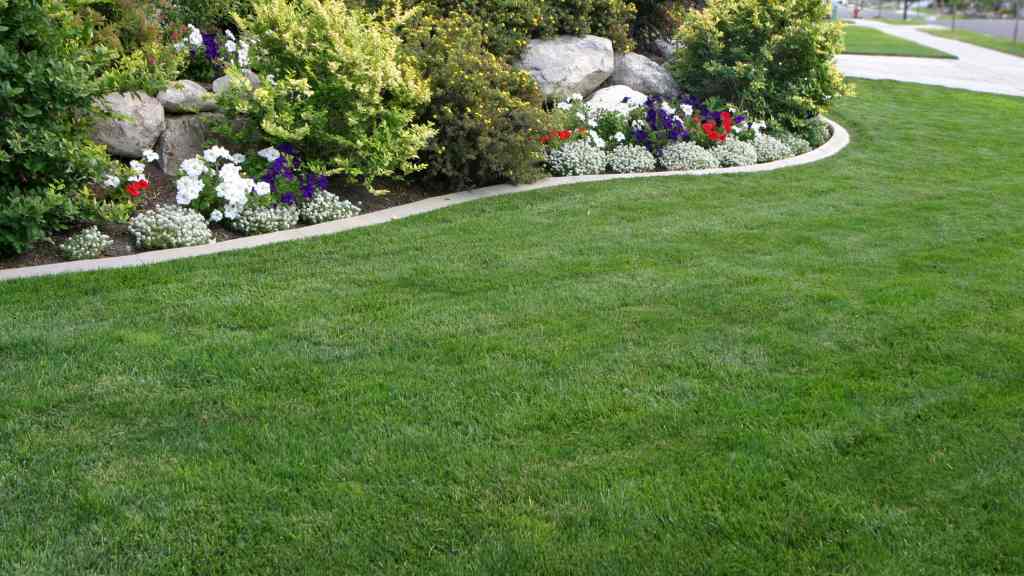
Moss and thin turf are drainage and soil problems first
The same people every visit, so nothing gets missed
BC Landscape and Nursery Association standards
Langley, Surrey, Delta and the Fraser Valley
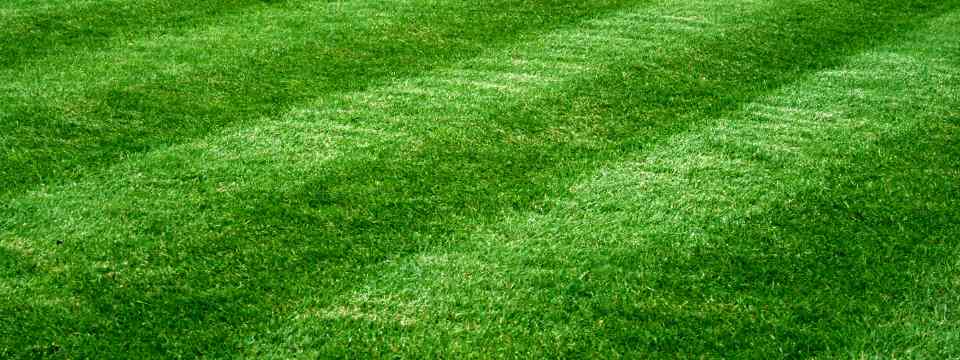
A balanced feed at the right times rather than one heavy hit in spring. Slow release, so growth is steady instead of a surge you then have to cut twice a week.
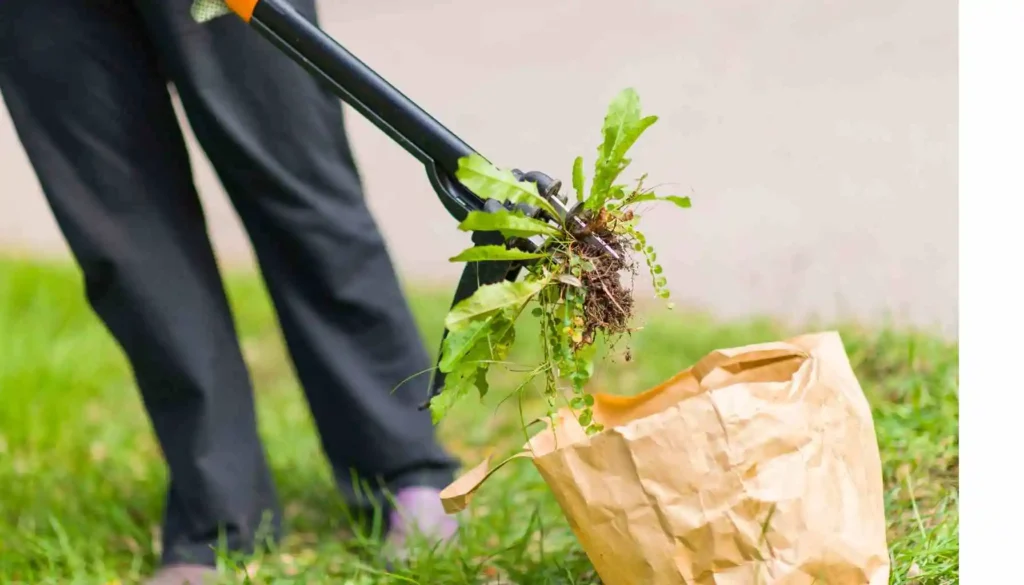
Moss treated when it is actively growing, and broadleaf weeds handled in the growing season. Both are follow up jobs, not one visit fixes.
New seed worked into thin and bare areas so the lawn thickens from within. A dense lawn is what keeps weeds and moss out in the first place.
A thin layer of quality soil across the surface to improve what the seed germinates into. On clay ground this is the part that actually changes the outcome.
| Area | What we usually find | What it needs |
|---|---|---|
| Willoughby and Yorkson | Newer builds on thin topsoil over graded clay. Lawns look fine for two years then thin out together. | Topdressing, overseeding, feeding |
| Murrayville | Established lots with mature trees. Shade and root competition, so moss sits under the canopy line. | Moss control, shade seed, raised cut |
| Walnut Grove | Mixed age properties with irrigation that was set once and never adjusted for the season. | Feeding, weed control, watering advice |
| Fort Langley | Heritage properties where the lawn is part of the setting and has to look right year round. | Full programme, close scheduling |
| Brookswood and Fernridge | Larger lots, sandier in places and wet in others, so one treatment rarely suits the whole property. | Zoned treatment, drainage checks |
It depends on the size of the lawn and what condition it is in. A healthy lawn on a maintenance programme and a thin, mossy lawn that needs bringing back are different amounts of work. We look at it, quote in writing, and the number does not move afterwards.
Because treating moss does not remove the reason it grew. Moss takes hold where the ground is wet, compacted or shaded and the grass is already weak. Unless the drainage, compaction or cutting height changes, the space just reopens the following winter.
Early fall is best, with spring a close second. The soil is still warm in September but the rain is back, which is close to ideal for germination. Overseeding into summer heat mostly wastes the seed.
Yes, though that is a separate service with its own schedule. This page covers lawn health, meaning feeding, moss, weeds, overseeding and topdressing. Mowing and grass cutting are set up on their own visit cycle.
Usually one full season, sometimes two. Moss clears quickly and looks worse before it looks better, since removing it exposes the bare ground underneath. The lawn genuinely turns the corner once overseeding has taken and thickened it.
On clay ground, often yes, and the two work well together. Aerating first gives seed somewhere to fall and relieves the compaction that is usually part of the problem. It is a separate service and we will say if we think your lawn needs it.
We will tell you exactly what is being applied, why, and how long to stay off the lawn afterwards. If you would rather we avoided a particular treatment entirely, say so and we will plan around it.
Yes, on scheduled programmes with the same crew each visit, which is usually what strata councils are actually asking for when they ask for consistency.