
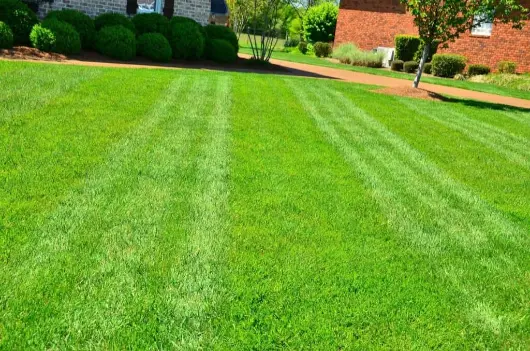
Is your Langley yard covered in brown patches, bumpy ground, and thin grass? You’re not alone. Clay soil, winter flooding, and summer dry spells wreak havoc on Fraser Valley lawns every year. The good news? Professional lawn repair fixes these problems faster and delivers longer-lasting results than DIY attempts. We work year-round and adjust our approach based on local weather patterns to give you a lawn that looks great and stays healthy.
Why Your Lawn Looks Bad (And How to Fix It)
Homeowners in Willoughby and Walnut Grove see the same frustrating problems after winter rains end: stubborn brown patches and grass so thin you can see the dirt underneath. Before you waste money on solutions that don’t work, you need to know what’s really causing the damage.
Langley’s thick clay soil creates serious challenges. It holds too much water during winter, suffocating grass roots by cutting off their oxygen supply. Then it hardens like concrete in summer, preventing water from reaching where it’s needed most.
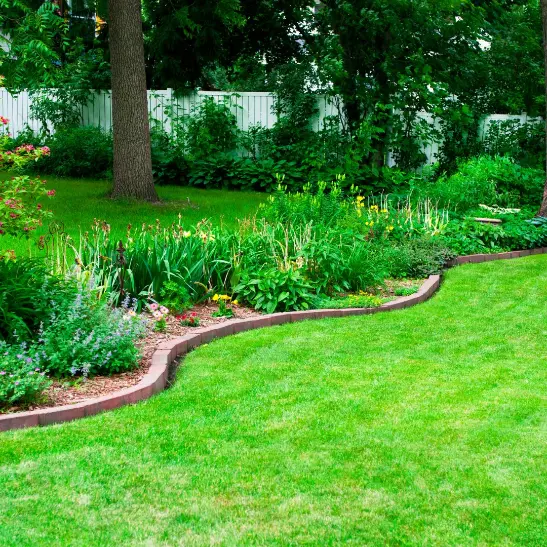
Here’s what we check first:
Pull back grass to inspect thatch buildup—thick layers block water and air from reaching roots
Test drainage by digging a small hole and filling it with water (healthy soil drains within a few hours)
Examine grass crowns for signs of disease, grub damage, dog urine burns, or fertilizer scorching
Identify problem patterns: shaded areas lacking sunlight vs. compacted high-traffic zones
Verify you’re growing the right grass varieties for Langley’s wet winters and mild summers
Clay soil requires completely different solutions than sandy soil. Without proper diagnosis, you might plant expensive seed where water pools, or add topsoil where disease has already killed the grass. That’s why professional assessment saves you money in the long run.
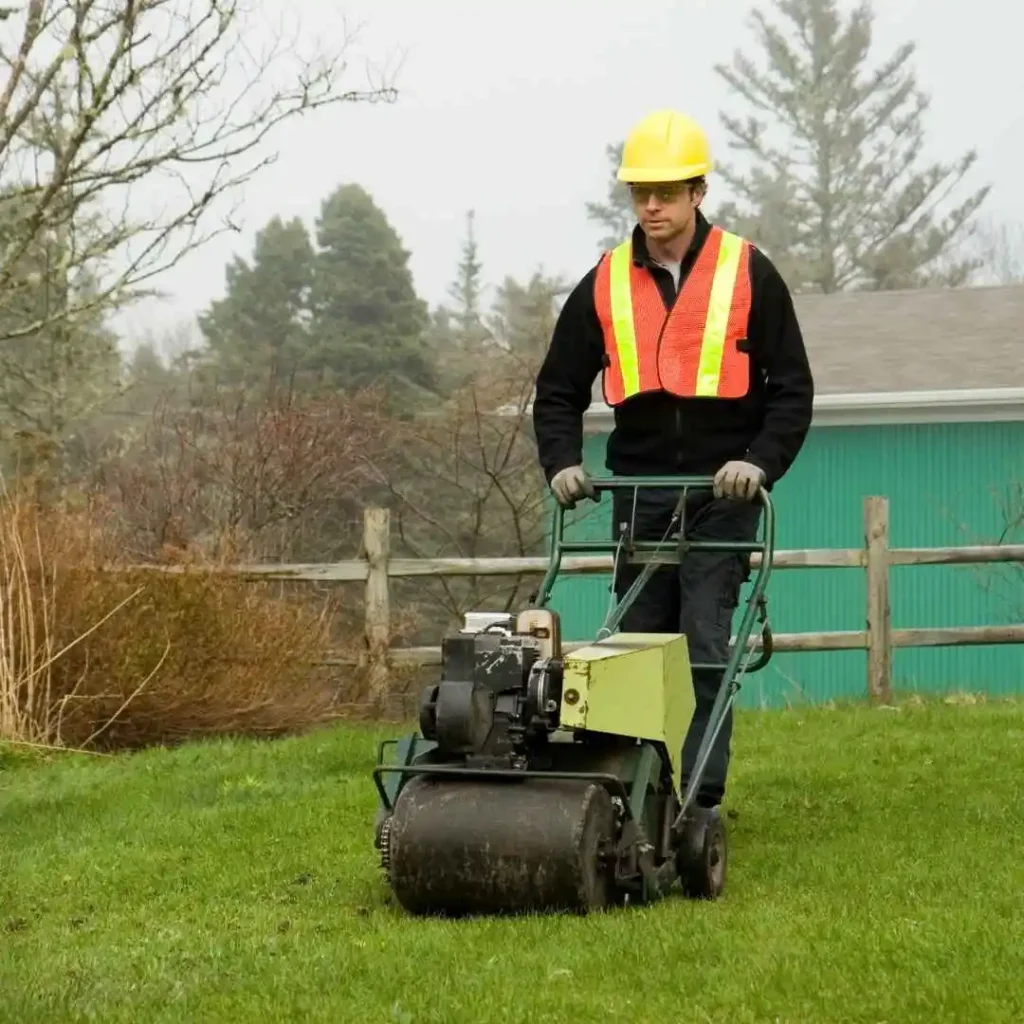
The Best Time to Repair Your Langley Lawn
Timing makes the difference between a repair that lasts for years and one that fails within months. In Fraser Valley, spring (April-May) and early fall (September) deliver the ideal conditions: cool temperatures, natural rainfall, and active grass growth. Summer heat, on the other hand, stresses new seedlings and demands constant watering just to keep them alive.
Spring repairs
take advantage of natural rain and cool temps that accelerate seed germination
Fall planting
builds strong root systems before winter without competing against weeds or heat stress
Sod installation
works from April through October, but summer installations require daily watering
Late fall sodding
often fails because cold soil slows root development to a crawl
Winter months
(December-February) are perfect for drainage corrections and planning spring projects
Strategic timing gives you better results:
We monitor weather patterns closely and adjust our schedule accordingly—we don’t follow the same rigid dates every year. A particularly rainy April might delay seeding, while an unseasonably warm September lets us extend planting season later than usual.
Level Your Yard and Eliminate Standing Water

Homes in Murrayville and Brookswood frequently develop sunken spots from new construction settlement, gopher tunnels, and natural depressions. These low areas collect water that drowns grass, creates mud pits, and makes mowing dangerous. Proper leveling eliminates these hazards while dramatically improving your lawn’s appearance.
Important: Clay soil demands topsoil for leveling work. Adding sand creates harmful layers that actually worsen drainage and damage grass roots.
Fill with topsoil-compost blend, then overseed to match existing grass
Moderate dips
Core aerate first to allow new soil to integrate without smothering healthy grass
Deep holes
Remove existing sod, add topsoil to correct grade, then install fresh sod or seed
Drainage problems
Slope ground away from your foundation to prevent basement flooding in low-lying Langley areas
Never use lawn rollers
on clay soil—they compact it further and suffocate grass roots
Significant leveling projects require careful calculation to determine material quantities. Premium screened topsoil costs more initially, but prevents re-settling that would force you to redo the work within a year.
Match Your Repair Method to the Damage
Different problems require different solutions. Using the wrong approach wastes your money and delays results. Whether you’re dealing with dog damage, winter kill zones, or poor builder-grade landscaping, we select the most effective repair method for your specific situation. Our local Fraser Valley suppliers and sod farms provide fresh, vigorous grass that establishes quickly—not old inventory that’s been sitting around losing viability.
The right repair approach for each scenario:
Overseed after loosening soil with a rake and incorporating compost for improved growing conditions
Install sod when you need instant results for upcoming events or property showings
Cut out damaged sections and replace with healthy plugs from hidden areas, then water thoroughly
it causes thatch buildup, promotes disease, and prevents proper root establishment
Bring samples to ensure new grass blends seamlessly with your existing lawn
Many homeowners make the critical mistake of leaving dead grass in place. Old, dead material under new sod or seed harbors fungus and prevents roots from anchoring into real soil. Complete removal down to bare dirt is essential before any repair work begins.
Proper Aftercare Makes Repairs Last Years, Not Months
Families with children, pets, or active outdoor lifestyles need repair strategies built to withstand real-world use. Professional aftercare develops deep root systems that ensure your investment lasts for years instead of failing after one season.
Note: Langley’s summer watering restrictions require morning watering on designated days, so plan your repair timing around these regulations.
Essential aftercare for long-lasting repairs:
Water frequently with light applications to maintain soil moisture during germination, then transition to deeper, less frequent watering
Keep people, pets, and equipment off repaired areas for several weeks until roots establish firmly
Wait until new grass reaches appropriate height and never remove more than one-third of blade length
Apply starter fertilizer at planting, then switch to maintenance fertilizer once grass matures
Weed management
Hand-pull weeds during the first month—herbicides damage tender new grass
Summer watering restrictions complicate repair timing. Installing temporary drip irrigation on timers delivers consistent moisture to new grass without violating city ordinances. These systems can be removed once grass establishes, or kept in place as permanent water-efficient irrigation.
Prevent Future Damage with Proactive Maintenance
Homeowners in Willoughby Heights and County Line Road want beautiful lawns that stay healthy without constant emergency repairs. Strategic maintenance dramatically reduces repair needs, lowers annual costs, and keeps grass thick enough to naturally resist weed invasion. Annual core aeration in fall directly combats the soil compaction caused by Langley’s heavy winter rainfall.
Fall aeration
September-October) creates thousands of channels for air, water, and nutrients to penetrate deep into compacted clay layers
Drainage improvements
Install French drains or regrade slopes in areas that remain saturated for days after rainfall
Spring overseeding
Fill thin areas each spring before weeds colonize bare spots
Summer mowing height
Cut grass higher during heat stress to shade roots and conserve moisture, lower in cool spring and fall
Soil testing
Check pH levels every 2-3 years—Langley’s clay tends toward acidity and often requires lime applications
Core aeration extracts soil plugs that decompose on the surface, gradually improving topsoil quality. This process creates pathways for resources to reach grass roots without damaging the lawn surface. Spike aerators that simply punch holes can actually increase clay compaction—avoid them.
Many property owners find that combining professional repair services with ongoing lawn care maintenance programs delivers the best long-term value. Regular seasonal maintenance prevents damage before it requires expensive repairs, while professional monitoring catches developing problems early when they’re still inexpensive to fix.
Here's What Your Neighbours Have To Say About Our Landscaping Services
Very friendly and efficient. Quality work and done in a reasonable amount of time.

 Catherine Delf
February 1, 2024
Splendid Landscaping does such a great job with anything you ask. Whether it is mulch installation or hedge trimming, you can rely on them!
 Marijka Stead
November 29, 2023
I have hired them several times. They never disappoint us. Excellent service. Kaushik is very knowledgeable and he is very prompt in his service. They finish their work on time with efficiency. Highly recommend their company to fix your lawn ???? . Beat wishes kaushik. Keep up your good work. ????
 Ramya Shankar
February 1, 2024
FAQ's
Spring (April-May) and early fall (September) offer ideal temperatures and natural rainfall for seed germination and sod root development. These seasons minimize watering requirements and reduce stress on establishing grass.
Summer repairs are possible but demand daily watering and intensive monitoring. Sod installation typically succeeds better than seeding during hot weather. However, waiting for cooler temperatures often conserves water and produces superior results
Seeded areas require several weeks to develop roots deep enough for foot traffic and mowing. Sod establishes more quickly with proper irrigation and traffic restriction during the rooting period.
Grass with surviving crowns can regenerate with core aeration and fertilization. Dead crowns showing no green tissue at the base require complete replacement with seed or sod
Always use topsoil or compost-based blends for leveling. Sand creates problematic layers between new topsoil and existing clay that harm drainage and inhibit root development.
Early October installations can succeed with favorable weather. Late October risks inadequate root development before frost arrives. Spring installation from April through May provides more reliable establishment.
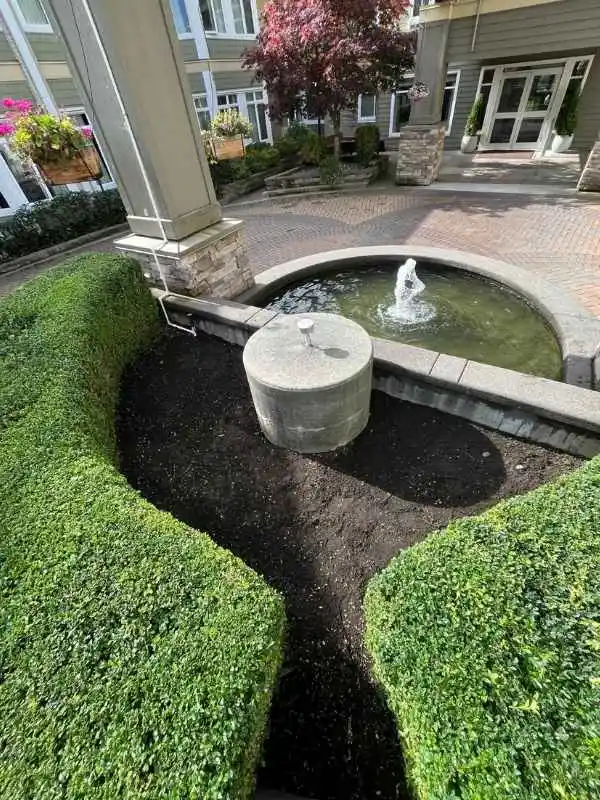
Get Professional Lawn Repair Service in Langley BC
Get Your Free Consultation Today
Splendid Landscaping Services repairs damaged lawns throughout Langley, Surrey, and Fraser Valley using proven methods that deliver lasting results. Our experienced team accurately diagnoses problems, sources premium materials from trusted local suppliers, and provides follow-up inspections to verify successful establishment.
Contact us today for a free lawn damage assessment and detailed repair proposal with transparent pricing.
Get your same-week service quote and seasonal repair scheduling now. Your lawn can look this good—let us show you how