Over 15,000 people work in landscaping across British Columbia. They work in many different weather zones—from rainy coastal areas like Vancouver to hot, dry places like Kelowna. The work looks beautiful when it’s done, but it comes with hard challenges that many people don’t expect.
Are you thinking about becoming a landscaper? Maybe you run a landscaping company or just want to understand what landscapers go through. This guide will help you know what to expect. Landscaping in BC means dealing with tough weather, heavy lifting, months without work, and learning lots of skills beyond just digging and planting.
We’ll explain the hard parts of landscaping work in BC. You’ll learn about the physical work, extreme weather, money worries during winter, important skills, and what makes this job worth it for people who stick with it.
Quick Answer: Main Challenges of BC Landscaping Work
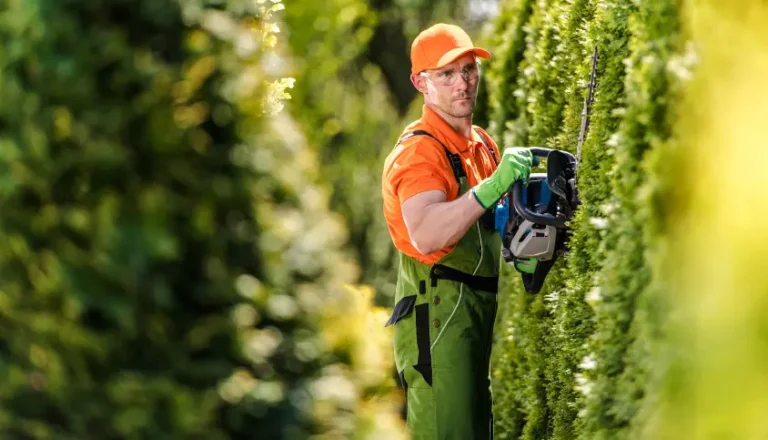
The body gets hurt: Landscapers often hurt their wrists, backs, and knees from doing the same movements over and over. They lift heavy things like 50-pound soil bags every day. They also work with dangerous tools like chainsaws and lawn mowers, plus chemicals that need special safety gear.
Extreme weather: Coastal BC gets rain more than 150 days each year. Workers get wet from October to March. Interior areas get super hot in summer—sometimes over 35°C. Wildfire smoke makes it unsafe to work outside. Northern BC only has work from May to September because of cold weather.
No money in winter: Most landscaping work (40-60%) happens from April to September. This means 4-6 months with little or no money coming in. Employment Insurance helps some, but doesn’t replace full pay. Many landscapers need second jobs in winter.
Many skills needed: Good landscapers know BC’s plant zones (6-9), how to spot bugs and plant diseases, how to manage soil, run watering systems, fix equipment, talk to customers, and run a business. They keep learning about saving water and using less chemicals.
Hard to find workers: Landscaping companies struggle to find enough workers. This makes it hard to keep good teams and finish jobs on time.
Looking for professional landscaping services in Langley that understand these challenges? We’re here to help.
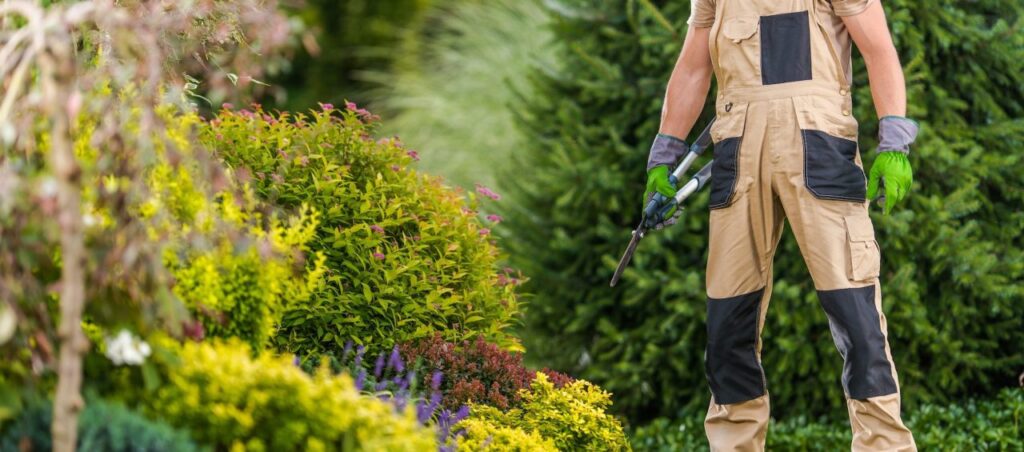
Hard Physical Work and Body Injuries
Landscaping is one of BC’s hardest jobs for your body. Workers need to be strong all day long. They do the same movements over and over. Unlike a gym workout where you rest between sets, landscaping means working on bumpy ground in awkward positions for hours, no matter what the weather is like.
WorkSafeBC keeps track of injuries. Their reports show landscapers get hurt a lot. The most common injuries hurt wrists, backs, shoulders, and knees. Things like trimming bushes, raking, digging, and using tools that vibrate slowly damage the body. Sometimes workers don’t notice the problem until they’ve been working for several years.
Heavy things to lift:
• Soil and mulch bags weigh 40-50 pounds each. Workers move dozens of these every day during busy planting season.
• Stone and pavers for patios weigh 30-80 pounds each.
• Big lawn mowers weigh more than 80 pounds. Workers need strength to push them on hills and bumpy ground.
• Fresh grass rolls (sod) weigh about 40 pounds each. A lawn might need 50-200 rolls.
Using equipment also brings danger. Chainsaws can cause serious cuts. Lawn mower accidents happen when working on hills, hitting hidden rocks, or on wet grass. Fertilizers and bug sprays are chemicals that need safety gear. But when workers are in a hurry or run out of supplies, they sometimes skip safety steps.
BC’s weather adds more health risks. Interior summers reach 30-40°C. Workers in the sun for 8-10 hours can get heat stroke. Coastal winters are the opposite—long days in cold rain and wind can cause hypothermia, especially when clothes get soaking wet from October to March.
Many landscapers hurt their wrists and backs from doing the same tasks. Experts say to prevent injuries by switching jobs every two hours, using tools made to protect wrists and backs, and stretching during the day. These simple steps can help landscapers work for many years without getting hurt.
BC’s Weather Problems: Hot, Cold, and Wet
British Columbia is big and has very different weather in different places. This is harder than other provinces where the weather is more the same. BC workers need different ways to work depending on if they’re near the ocean, in the Interior, or up North.
Coastal Areas (Vancouver, Victoria, Fraser Valley):
Environment Canada says Vancouver gets rain more than 150 days every year. Most rain falls from October to March. For landscapers, this means working in wet conditions for almost half the year. Rain makes mud that sticks to tools. Digging becomes difficult. Work sites turn messy, making it hard to keep things looking clean and professional.
You can work in winter on the coast, unlike other parts of Canada. But the rain slows things down and makes jobs take longer. Soil gets full of water, so you can’t plant. Water doesn’t drain away properly. Equipment sinks in soft mud. Workers have trouble holding tools when their hands and gloves are wet.
Interior Areas (Kelowna, Kamloops, Okanagan):
The Interior is completely different. Summer temperatures go up to 35-42°C. Working outside at noon becomes dangerous without lots of water, shade breaks, and watching for heat sickness. Projects often start early morning or late evening during heat waves. This messes up schedules and gives less time to work each day.
Wildfire smoke is a bigger problem now during Interior summers. When the air quality is bad, outdoor work has to stop completely. This creates chaos with schedules and workers lose money. You can’t predict when smoke will come, making it hard to promise when jobs will be done.
Higher mountain areas have shorter growing seasons. Fewer projects can be done. The busy season gets squeezed into less time. Vancouver might have seven months of work, but higher areas only have five months. This makes the winter money problem even worse.
Northern BC:
Northern areas have the shortest work season—usually just May through September. Cold weather makes equipment hard to start. Engines and machines don’t work as well in morning cold. Some places have frozen ground that never melts (permafrost). This affects digging for patios and limits how deep you can plant.
BC has many small weather zones within each big area. Plants that grow well in mild, wet coastal weather die in the Interior’s hot, cold weather. Interior plants don’t do well in coastal areas either. Good landscapers either learn everything about their local area or study many zones if they work in different places.
Weather you can’t predict affects schedules everywhere. Rain delays push jobs back days or weeks. Heat warnings stop work. Fire bans mean certain tools can’t be used. This creates problems between what customers expect and what weather allows.
Working Only Part of the Year Means Money Problems
Here’s the big money problem for landscapers in BC: about 40-60% of all work happens from April to September. This means 4-6 months every year where money drops a lot or stops coming in completely. This affects both workers and business owners. Not many other jobs have this problem.
For workers, off-season usually means applying for Employment Insurance (EI). EI helps, but doesn’t give you as much money as working. Statistics Canada keeps track of seasonal jobs in BC. Their data shows big money ups and downs. You need to budget carefully. Many landscapers get second jobs in winter—working in stores, construction, or other indoor work when landscaping stops.
The money stress is more than just losing your paycheck. Workers must save money during busy months to pay bills during winter. Money experts say seasonal workers should save a big part of their summer money for winter bills. For young workers or families with kids, this takes a lot of discipline. Not everyone can do it, which is why many people quit landscaping.
Business owners face similar money problems. They make most money in spring and summer. But costs like insurance, equipment storage, truck payments, and business fees continue all year. Big equipment repairs often happen in winter when machines sit unused. This means big bills during months with almost no money coming in. Smart business owners save a lot during busy months to pay for winter costs.
Everyone fights for spring work. All companies want to book jobs for April and May when weather improves and customers want work done. This creates price competition as companies try to win jobs. Late fall work in October and November has different problems—weather gets less predictable. Many customers wait until next spring instead of risking a job that might not finish because of rain or early cold.
Experienced landscaping crews find ways to handle off-season. Some add snow removal, though this needs different equipment and competes with snow removal companies. Others do indoor plant care for offices, fix equipment, or offer design planning that can happen all year. These help but don’t fix the money gap that comes with BC landscaping.
Need reliable year-round landscape maintenance in Langley from a crew that knows BC’s challenges?
Skills Needed Beyond Just Physical Work
Many people think landscaping just needs strength and basic labor. That’s not true. Good landscapers in BC need to know many different things beyond digging, planting, and mowing. Modern landscaping needs constant learning and many skills that people don’t realize until they start the job.
Knowing about plants:
Natural Resources Canada’s plant hardiness zone map¹ shows BC goes from zone 6 in northern and mountain areas to zone 9 near the coast. Landscapers must know which plants grow well in their local zone. They need to spot common bugs and plant diseases in BC. They manage different soil types. They design and fix watering systems that follow local water rules and seasonal patterns.
This knowledge keeps changing. The climate changes. New bugs and weeds arrive. Water rules change. Customers want more earth-friendly practices. A landscaper who learned the job 10 years ago must keep learning new things to stay good at their work.
Using and fixing equipment:
Modern landscaping uses many special tools—big mowers, aerators, dethatchers, edgers, blowers, and hand tools. All need proper use for safety. Beyond just using them, workers need basic repair skills. Knowing how to sharpen blades, adjust engine settings, replace spark plugs, and do regular maintenance saves time and money.
Talking to customers:
Good landscapers aren’t just good with plants and tools—they’re good with people. They manage what customers expect. They explain seasonal plant care in simple words. They handle complaints professionally. This separates crews that keep customers for years from those that only work with customers once. Many people who are great with plants struggle with customer service, which stops their career growth.
Business skills for leaders:
Landscapers who become crew leaders need extra business skills. They must estimate costs to win jobs but still make money. They schedule crews to balance getting work done with keeping workers healthy. They follow WorkSafeBC safety rules. They track costs and money coming in. These skills usually aren’t taught at entry-level jobs, so people must learn through experience or extra education.
Skills keep growing as the industry changes. Earth-friendly landscaping, designs that save water (important with BC water restrictions), pest control that uses less chemicals, and using local plants—all these areas need special knowledge. Landscapers who learn these skills get paid more and have more stable work all year.
All this knowledge helps explain why quality landscaping costs what it does. It shows why keeping experienced workers is hard. It proves that calling landscaping “just labor” misses what success really needs.
Is Landscaping in BC Worth It? Things to Think About
After learning about all these challenges, you might wonder: is landscaping work worth it? The answer depends on who you are and what you want from a career or business.
If you want to become a landscaper:
Be honest with yourself first. Are you fit enough for hard outdoor work in all kinds of weather? Can you handle extreme heat or rain without quitting? Do you have money planning skills or family support to manage 4-6 months with less income each year?
BC has training programs through groups like the BC Landscape & Nursery Association. These programs help new workers learn skills step by step instead of just learning on the job. If you’re willing to learn and stick with the job through tough early years, landscaping offers chances to own a business, become an expert, and work outdoors. Many people like outdoor work more than office work.
If you run a landscaping business:
BC data shows landscaping workers earn $18-28 per hour depending on experience and special skills. Good pay is important for keeping workers. But pay alone doesn’t fix the worker shortage. Good companies offer skills training, career growth, year-round work through different services, and workplace cultures that care about workers alongside getting work done.
Creating year-round work makes the best companies stand out. Snow removal, indoor plant care, equipment repair, and winter design planning keep experienced workers employed through winter. This reduces worker turnover and training costs.
If you hire landscapers:
Understanding these challenges explains things you’ve probably noticed. It shows why landscaping costs what it does, why crews change, and why scheduling is complicated with weather delays. Quality companies charge prices that match the skills, experience, and business costs needed to deliver good results every time.
Seasonal scheduling limits aren’t negotiable—they’re just how weather and growing work in BC. Being patient with spring scheduling jams and understanding when projects must wait until fall helps build good relationships with service providers.
What’s next for the industry:
Despite the challenges, BC’s landscaping industry looks good for people who commit. Growing demand for earth-friendly landscaping, designs that work with climate changes, and water-saving plants creates chances for experts. The aging workforce means opportunities for younger workers willing to learn.
Landscapers who specialize in low-water designs often get paid more as water restrictions increase. This specialty attracts customers who care about the environment. It can help keep steady work even during slow times. This shows how special skills can beat some of the industry’s problems.
The challenges of landscaping in BC are real and big. The work needs physical toughness, handling extreme weather, planning money for winter gaps, and many skills beyond basic labor. Yet for people who understand what to expect, commit to learning, and plan their career or business smartly, landscaping offers outdoor work, chances to specialize, and the joy of creating beautiful spaces that make properties and communities better across British Columbia.
Whether you want to hire a landscaping crew, join one, or plan your next project, Splendid Landscaping knows BC’s unique challenges across the Fraser Valley. Our team understands seasonal work, weather extremes, and the skills needed for great results. From complete landscape design services to ongoing maintenance and care, we’re here to talk about how we can help with your home or business property.
Reference:
¹ Natural Resources Canada. (2025). Canada’s Plant Hardiness Site. Government of Canada. https://planthardiness.gc.ca/