Landscaping projects in Langley BC can range from $4,200 for basic lawn installation to over $55,000 for complete backyard transformations in 2026. But what determines where your project falls on that spectrum? The answer lies in understanding seven key cost factors that affect every landscaping quote you receive.
When you start calling Langley landscapers, quotes can vary wildly. One company might estimate $9,500 while another quotes $17,000 for what seems like the same work. This variation often confuses homeowners, but understanding the hidden cost drivers can save you thousands and help you spot fair pricing.
This guide breaks down landscaping costs in Langley BC by explaining the seven factors that affect pricing in 2026. You’ll learn how to budget accurately and evaluate quotes with confidence, whether you’re planning a simple lawn refresh or a complete outdoor transformation.
We’ll cover property-specific factors like size and terrain, material and labour costs unique to the Fraser Valley, seasonal pricing differences, permits and regulations, and how contractor expertise impacts your investment. By the end, you’ll understand exactly what you’re paying for and how to get the best value. Before you budget for your project, it helps to understand what a professional Langley landscaping service typically includes and how pricing is structured.
What Factors Determine Landscaping Costs in Langley BC?
Landscaping costs in Langley BC are determined by seven main factors in 2026:
• Property size and scope — Larger lots or full-yard projects cost more than small garden beds. A typical Langley property ranges from 5,000 to 12,000 square feet, with costs averaging $30 to $85 per square meter depending on project complexity.
• Site conditions — Sloped terrain, poor drainage, or rocky soil increase labour and material costs. Heavy clay soil common in Langley requires amendment or raised beds, adding $600 to $2,400 to project costs.
• Materials selected — Natural stone, premium sod, and mature plants raise costs compared to budget alternatives. For example, installed sod costs $0.70 to $1.40 per square foot while hydroseeding runs $0.12 to $0.35 per square foot.
• Labour complexity — Intricate designs, hardscaping, or excavation require skilled crews at $58 to $98 per hour. Complex features like tiered retaining walls can triple labour hours compared to simple planting beds.
• Seasonal timing — Peak spring and summer projects cost 10 to 20 percent more than fall or early spring work due to high demand. Contractors often book 6 to 10 weeks out during April through August.
• Permits and regulations — Retaining walls over 1.2 meters or drainage alterations may require Township of Langley permits, adding time and cost to projects.
• Contractor expertise — Licensed, insured professionals charge more but deliver warranty-backed results. Established companies include WorkSafeBC coverage and liability protection, typically adding 15 to 30 percent to costs.
Want a detailed breakdown for your Langley property? Get a free landscaping estimate in Langley.
How Property Size and Project Scope Affect Landscaping Costs in Langley
The most fundamental cost driver for any landscaping project is how much ground you need to cover and what you want to do with it. Property size directly impacts material quantities, labour hours, and equipment needs. Before you budget for your project, it helps to understand what a professional Langley landscaping service typically includes and how pricing is structured.
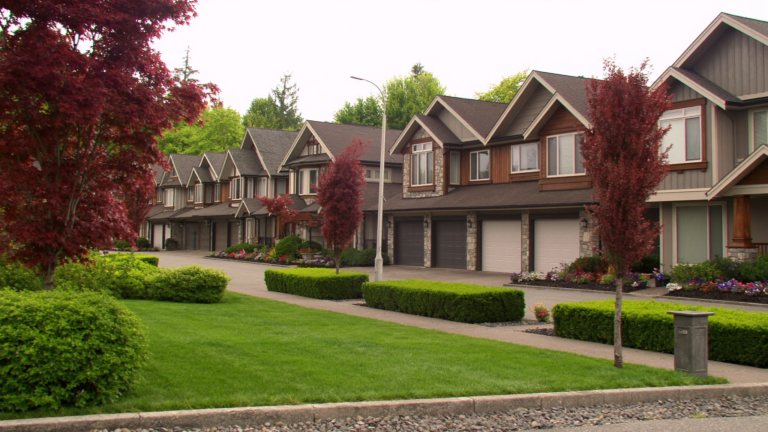
In Langley, residential lots vary significantly by neighbourhood. Newer developments in Willoughby typically feature 5,000 to 7,500 square foot lots, while established areas like Walnut Grove and Brookswood often have properties ranging from 10,000 to 15,000 square feet or more. This size difference alone can double or triple your landscaping investment.
A basic lawn installation on a 5,000 square foot property might cost $4,200 to $7,200 in 2026, covering topsoil preparation, grading, and sod installation. Scale that up to a 12,000 square foot Brookswood lot, and you’re looking at $9,600 to $18,000 for the same scope of work. The cost per square meter typically ranges from $30 for simple grass and basic plantings to $85 or more for comprehensive landscape design with multiple features.
Project scope matters just as much as size. A front yard refresh with new sod, mulched beds, and a few shrubs differs dramatically from a full property transformation. Each feature you add increases costs exponentially. In a recent Walnut Grove project, adding a 200 square foot paver patio increased the quote by $5,400 compared to a lawn-only design. Retaining walls, irrigation systems, outdoor lighting, and water features each represent significant line items that stack on top of your base landscaping costs.
Understanding your lot dimensions and clearly defining what you want helps landscapers provide accurate estimates. A vague request for “backyard landscaping” leaves too many variables open. Specifying “400 square feet of paver patio, 1,500 square feet of new sod, three planting beds with shrubs, and a simple irrigation system” gives contractors the details they need to quote competitively and accurately.
Most Langley homeowners discover that focusing investment on high-impact areas delivers better results than spreading budgets thin across entire properties. Prioritizing your front yard and primary outdoor living spaces often makes more sense than tackling everything at once, especially on larger lots where comprehensive landscaping can easily exceed $35,000 to $55,000 in 2026.
Typical Langley Lot Sizes and Cost Ranges (2026)
| Lot Size | Basic Landscaping | Premium Design |
| 5,000 sq ft (Willoughby) | $4,200 – $7,200 | $14,400 – $24,000 |
| 7,500 sq ft (Walnut Grove) | $6,600 – $10,800 | $21,600 – $36,000 |
| 12,000 sq ft (Brookswood) | $9,600 – $18,000 | $36,000 – $55,000+ |

How Langley’s Terrain and Soil Conditions Impact Landscape Pricing
Once you understand how property size drives base costs, terrain and soil conditions emerge as the next major variable. Fraser Valley properties present unique challenges that can significantly increase labour and material requirements beyond what you’d expect from square footage alone.
Heavy clay soil dominates much of Langley, particularly in lower elevation areas near the Nicomekl and Salmon rivers. This dense, moisture-retaining soil creates drainage problems and makes it difficult for grass and plant roots to establish. Addressing clay soil typically requires amendment with compost, sand, and organic matter, adding $600 to $2,400 to project costs in 2026 depending on the affected area. Some properties need complete topsoil replacement in planting beds, which increases costs further.
Sloped properties present their own challenges and costs. Yards with significant grade changes need retaining walls, terracing, or specialized drainage solutions to prevent erosion and create usable space. Basic timber or concrete block retaining walls start around $60 to $95 per linear foot for walls under three feet high. Engineered walls required for higher elevations or challenging soil conditions can run $180 to $300 per linear foot or more, with permits and engineering fees adding to the total.
Drainage issues plague many Langley properties, especially during our wet winter months when rainfall saturates soils and overwhelms inadequate systems. Properties near rivers or in low-lying areas often experience standing water, soggy lawns, and foundation moisture problems. Proper drainage solutions like French drains, catch basins, or channel drains typically cost $1,440 to $3,600 in 2026 depending on the length of the drainage run and complexity of the installation. Properties near the Nicomekl River often require additional drainage investment to manage seasonal water tables and prevent flooding.
Existing vegetation removal adds another cost layer many homeowners overlook. Removing old shrubs runs $60 to $180 per plant depending on size and root system complexity. Stump grinding costs $180 to $480 per stump based on diameter. Clearing overgrown beds of aggressive perennials or invasive species requires additional labour. Hauling debris to disposal sites adds $240 to $960 depending on volume.
Smart landscapers assess site conditions during initial consultations and factor these challenges into quotes. If a contractor provides a quote without mentioning soil amendments, drainage solutions, or removal costs on a property that clearly needs them, consider it a red flag. Thorough site analysis and transparent cost breakdowns prevent unpleasant surprises when work begins.
Landscaping Material Costs: Budget vs. Premium Options in Langley
Material selection creates some of the widest price variations between landscaping quotes. The difference between budget-friendly options and premium materials can double or triple project costs, even with identical labour and design.
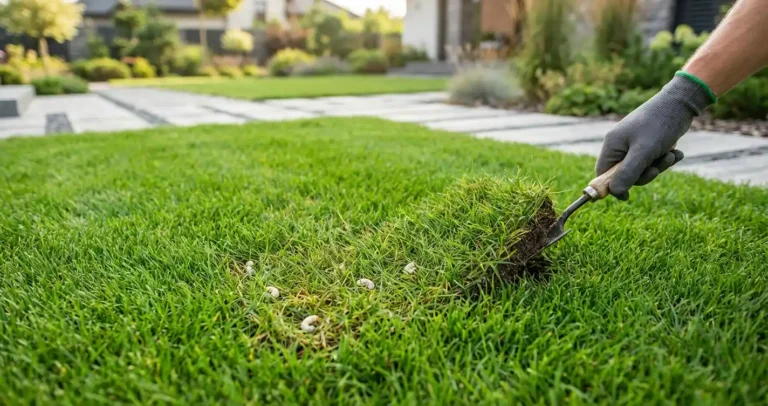
Sod versus seed illustrates this perfectly. Professional sod installation runs $0.70 to $1.40 per square foot installed in 2026, covering topsoil preparation, premium sod delivery, and proper laying technique. A 2,000 square foot lawn costs $1,400 to $2,800 in materials and installation. Hydroseeding the same area runs $0.12 to $0.35 per square foot, or $240 to $700 total. However, hydroseeding requires more time to establish, needs consistent watering, and produces less immediate visual impact than instant green sod.
Hardscaping materials show even more dramatic price ranges. Crushed gravel for pathways costs around $48 per ton delivered and provides functional, drainage-friendly surfaces at minimal expense. Natural flagstone runs $180 to $360 per ton but delivers organic beauty and unique character. Interlocking concrete pavers range from $10 to $30 per square foot installed depending on style, pattern complexity, and edge details. A 300 square foot patio might cost $3,000 with basic pavers or $9,000 with premium options and intricate patterns.
Plant material costs vary wildly based on size and maturity. One-gallon container shrubs suitable for new planting beds cost $18 to $36 each at local nurseries like GardenWorks Langley or Art’s Nursery. Mature specimens in 5-gallon or larger containers provide instant impact but run $120 to $600 or more per plant. A landscape design calling for 30 shrubs might cost $720 with small plants or $5,400 with mature specimens. Most designers recommend mixing sizes—using larger feature plants in key locations and filling in with smaller plants that will grow over time.
Irrigation system quality also impacts long-term value. Basic spray head systems cost less upfront but waste water through evaporation and overspray. Drip irrigation or MP Rotator heads cost 20 to 30 percent more initially but reduce water consumption by 30 to 50 percent. Smart controllers with weather-based adjustments add another $240 to $480 but optimize water use and reduce monthly utility bills.
Choosing “cheap” materials often costs more long-term. Thin pavers crack and shift, requiring expensive repairs. Poor-quality sod contains weeds and thins quickly. Undersized plants take years to provide privacy or visual impact. Investing in quality materials appropriate for your needs and budget creates landscapes that enhance property value rather than requiring constant maintenance and replacement.
Ready to see how these factors apply to your project? Explore our Langley landscaping services.
What Drives Labour Costs for Landscaping Projects in Langley BC
Labour represents 40 to 60 percent of most landscaping project costs, making it essential to understand what drives these charges and why rates vary between contractors.
Average landscaping labour rates in BC range from $58 to $98 per hour for installation crews in 2026, with design work commanding $110 to $165 per hour. These rates reflect the skilled nature of landscaping work—proper grading, plant knowledge, irrigation installation, and hardscaping all require training and experience. Rates also cover equipment costs, insurance, WorkSafeBC premiums, and business overhead that legitimate contractors must carry.1
Design complexity dramatically affects labour hours required. Simple rectangular planting beds with straight edges might take a two-person crew one day to install. Custom curved beds following natural contours, multi-level designs with varying elevations, or precise grading for perfect drainage can triple that time investment. Complex hardscaping like tiered retaining walls typically requires three to five days for full Langley backyard transformations, compared to one to two days for simple patio installations.
Equipment needs also drive costs. Excavators, bobcats, compactors, and specialized tools come with daily rental fees or ownership costs that contractors must recover. A project requiring excavation for a retaining wall or drainage system might add $600 to $1,800 in equipment charges beyond base labour rates. Hand-digging the same work would take exponentially longer and cost more in labour, making equipment investment worthwhile despite the added line item.
Licensed, insured contractors charge 15 to 30 percent more than unlicensed operators, but this premium provides critical protections. WorkSafeBC coverage ensures injured workers receive care without homeowners facing liability.1 General liability insurance protects your property if equipment causes damage. Licensed contractors hold business licenses, maintain proper permits, and provide written warranties. These factors add overhead but deliver peace of mind that cheap, unlicensed operators cannot match.
Labour costs remain largely fixed once you’ve selected your design complexity level. You can’t negotiate significantly lower hourly rates without compromising quality or legality. However, you can control labour costs by clearly defining project scope, being flexible on timing, and choosing designs that balance beauty with buildability. Experienced landscapers help clients optimize designs to achieve desired aesthetics without unnecessary complexity that drives labour hours skyward.
How Timing Your Landscaping Project Affects Costs in Langley
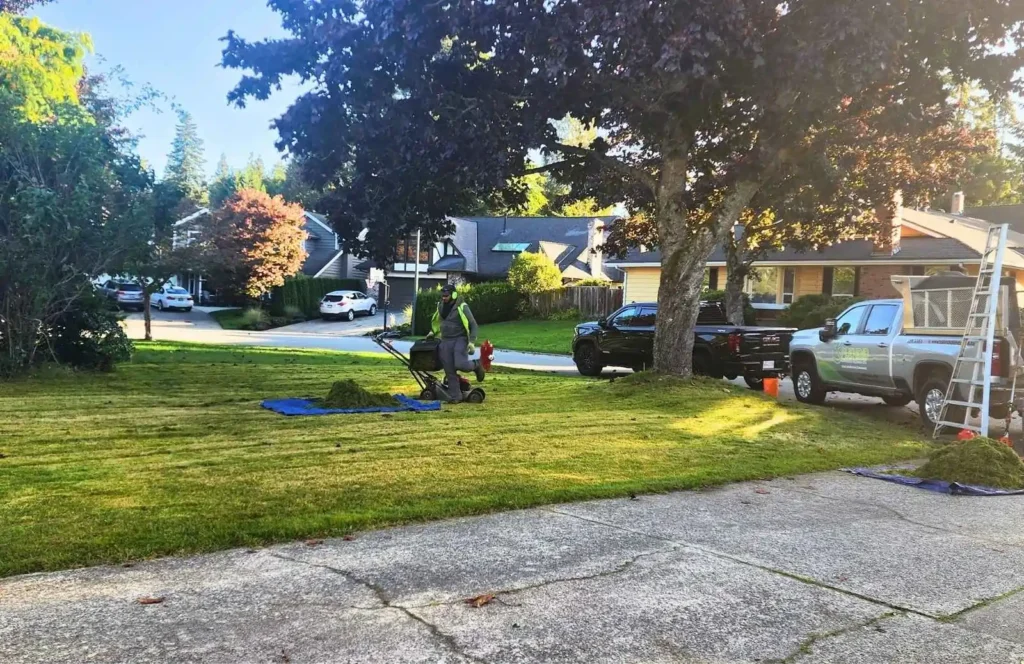
While property factors and materials remain relatively constant, seasonal timing offers one cost variable you control completely. Strategic scheduling can save 10 to 20 percent on labour rates while improving planting success.
Peak season in Langley runs from April through August, when demand for landscaping services peaks and contractors book six to ten weeks out in 2026. Homeowners rush to complete projects before summer entertaining season, creating intense competition for available crews. This demand allows contractors to charge premium rates—often 15 to 20 percent higher than shoulder season pricing. May and June represent the absolute peak, when established landscapers often turn away projects or extend wait times to two months or more.
Shoulder seasons—March and September through October—offer significant advantages. Demand drops as homeowners shift focus to spring cleanup or fall preparation rather than major installations. This reduced competition lets flexible clients negotiate better rates, typically 15 to 20 percent below peak pricing. Availability improves dramatically; projects that require ten-week waits in May might start within two weeks in September. Cooler temperatures also benefit plants, reducing transplant shock and improving establishment success.
Fall landscaping particularly makes sense for Langley’s climate. September and October bring cooler days, increased rainfall, and reduced irrigation needs. Sod and plants installed in early fall establish strong root systems over winter, emerging vigorous in spring. Fall planting also gives you fully established landscapes to enjoy the following summer rather than waiting for spring installations to mature.
Winter presents limitations but opportunities. November through February brings frequent rain that saturates Langley’s clay soils, making hardscaping and grading impractical. However, winter excels for planning and design work. Meeting with landscapers during quiet winter months means more attention to your project, flexibility in scheduling, and time to refine plans without rushing. Design work completed in winter positions you to start construction the moment conditions permit in March.
Best timing varies by task. Sod installation succeeds best in early fall when cooler temperatures and rain reduce stress. Tree planting works well in late fall or early spring before leaf-out. Hardscaping thrives in late spring through summer when dry weather keeps excavations manageable. Matching tasks to optimal timing improves results while often reducing costs through shoulder season scheduling.
Seasonal Timing Comparison for Langley Landscaping (2026)
| Season | Cost | Availability | Best For |
| Spring (Apr-May) | Highest (peak rates) | Limited (6-10 week wait) | Planting, seeding |
| Summer (Jun-Aug) | High (10-20% premium) | Moderate (4-8 weeks) | Hardscaping, patios |
| Fall (Sep-Oct) | Lower (15-20% savings) | Good (2-3 weeks) | Sod, trees, shrubs |
| Winter (Nov-Feb) | Lowest (planning only) | Excellent (immediate) | Design, consultation |
Langley Landscaping Permits and Unexpected Costs to Budget For
Even with careful planning around size, materials, labour, and timing, hidden costs catch unprepared homeowners off guard. Permits, utility locates, and miscellaneous fees add hundreds or thousands to final project costs.
The Township of Langley requires building permits for certain landscaping work. Retaining walls exceeding 1.2 meters in height need permits and often engineering approval,2 adding $600 to $2,400 in permit fees plus engineering costs in 2026. Major grading that changes drainage patterns or affects neighbouring properties may require permits. Structures like pergolas, gazebos, or covered outdoor kitchens definitely need permits. Experienced contractors know these requirements and factor permit costs into quotes, but unlicensed operators often skip this step—leaving homeowners liable when inspectors discover unpermitted work.
BC One Call provides free utility locates but requires three to five business days notice before excavation. Failing to call before digging can result in hitting underground lines—a costly and dangerous mistake. While the locate service itself costs nothing, scheduling around the waiting period can delay projects and extend labour costs if crews need to mobilize multiple times.
Tree removal in Langley falls under the Heritage Tree Bylaw, which protects significant trees. Removing protected trees without permits incurs substantial fines. Even trees that don’t require permits may need professional removal, costing $600 to $2,400 or more depending on size, location, and complexity. Stump grinding adds another $180 to $480 per stump.
Newer Langley developments in Willoughby, Yorkson, and similar areas often have homeowners association or strata requirements. These bodies may require approval for landscape changes, restrict certain materials or colours, or mandate specific styles. Review your HOA covenants before finalizing plans to avoid discovering restrictions after signing contracts. For multi-family properties and strata complexes, specialized strata landscaping services ensure compliance with community requirements while maintaining attractive common areas.
Hidden costs beyond permits include debris haul-away fees ($240 to $960 for significant volumes), soil delivery fees for imported topsoil or amendments, and irrigation backflow testing ($90 to $180 annually) required by local water utilities. Professional quotes should itemize these costs rather than hiding them in vague “miscellaneous” categories. Transparent pricing prevents surprises and helps you compare quotes fairly.
Why Landscaping Costs Vary Between Langley Contractors
After accounting for all the factors above, quotes from different contractors can still vary by 20 to 40 percent for seemingly identical work. This gap reflects differences in contractor expertise, service levels, and business practices rather than arbitrary pricing.
Full-service landscaping companies bundle design, project management, installation, cleanup, and warranties into comprehensive packages. Install-only contractors provide labour and materials but expect clients to handle design, material sourcing, and coordination. Full-service costs more upfront but eliminates coordination headaches and ensures all elements work together cohesively. Splendid Landscaping Services provides complete project management, keeping clients informed throughout construction and handling all subcontractor coordination.
Warranty differences justify price variations. Some contractors offer one-year plant guarantees, replacing anything that dies within 12 months. Others provide no warranty, leaving homeowners responsible for failures. Premium landscapers back hardscaping with three to five year warranties covering settling, cracking, or structural issues. These warranties cost contractors through potential callbacks and repairs, but they protect clients’ investments and demonstrate confidence in workmanship.
Established Langley companies carry higher overhead but deliver reliability that saves money long-term. Insurance, WorkSafeBC premiums, business licensing, equipment maintenance, and professional staff all increase costs. However, established companies show up on schedule, complete work as promised, and remain available for warranty service. Serving Langley since 2016, we’ve found that detailed proposals with material specifications and clear timelines reduce change orders by 60 percent compared to rough estimates that leave details ambiguous.
Red flags in suspiciously low quotes include no mention of permits when work clearly requires them, vague scope descriptions that enable later upcharges, requests for full payment upfront, cash-only payment demands, or absence of business licensing and insurance. While everyone wants to save money, choosing the cheapest quote often costs more through delays, poor workmanship, or complete project abandonment.
Smart homeowners evaluate quotes holistically rather than focusing solely on bottom-line price. Compare warranty terms, check references with past clients, verify licensing and insurance, and assess communication quality during the quoting process. Contractors who provide detailed breakdowns, answer questions thoroughly, and demonstrate deep local knowledge typically deliver better value than those competing purely on price. The goal isn’t finding the cheapest landscaper—it’s finding the best value that balances cost with quality, reliability, and long-term satisfaction.
Making Informed Landscaping Decisions in Langley BC
Understanding these seven cost factors—property size, site conditions, materials, labour, timing, permits, and contractor value—empowers you to budget accurately and evaluate quotes intelligently in 2026. No two landscaping projects cost the same because no two properties face identical challenges or require identical solutions.
The most successful Langley landscaping projects start with clear communication about expectations, realistic budgets that account for property-specific challenges, and partnerships with contractors who prioritize transparency over lowest prices. Take time to understand what you’re paying for, why costs vary, and how different choices impact both immediate expenses and long-term satisfaction.
Whether you’re planning a simple lawn installation or comprehensive outdoor transformation, informed decision-making leads to better outcomes. Use this guide to ask the right questions, spot red flags in suspiciously low quotes, and recognize when higher prices reflect genuine value rather than inflated costs.
Ready for transparent, itemized pricing for your Langley property? See our Langley service area and reviews to learn more about our approach to landscape design and installation.
References
1. WorkSafeBC. (2026). Know how much coverage costs. Retrieved from WorksafebcKnow how much coverage costs – WorkSafeBC
2. Township of Langley. (2025). Retaining Wall Application Guide. Permits, Licences and Inspections. Retrieved from Toltol.ca/en/building-development/resources/building/bulletins-forms-resources/Document-Feed-Building-Guidelines/Retaining-Wall-Application-Guide.pdf