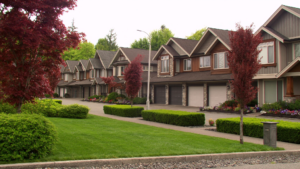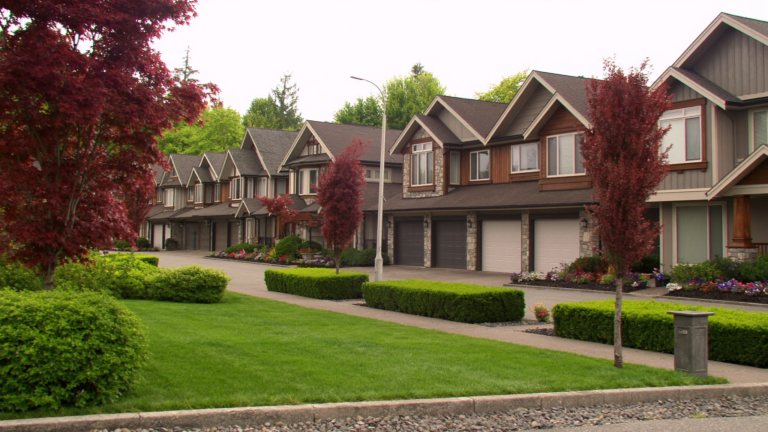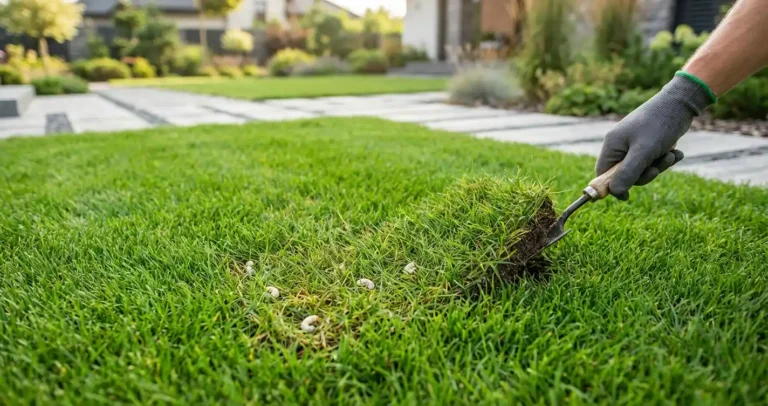
Hedge trimming in Langley, BC follows a rhythm set by our Pacific Northwest climate, where mild winters and wet springs push hedges into aggressive growth starting in April. Whether you have a neat row of boxwood along your front walk in Walnut Grove or a towering cedar privacy screen in Brookswood, knowing when and how often to trim makes the difference between a sharp property and one that looks neglected.
In this guide, our team at Splendid Landscaping breaks down the best trimming schedules for Langley’s most common hedge types, what you should expect to pay, and when it makes sense to call in a professional crew.
What Are the Most Common Hedge Types in Langley?
Langley homeowners plant hedges for privacy, wind protection, and curb appeal. The Township’s mix of newer developments in Willoughby and Yorkson, established lots in Murrayville and Fort Langley, and rural acreages in south Langley means we see a wide variety of hedge species across our service area.
Western Red Cedar is the most popular privacy hedge in the region. It grows well in Langley’s acidic, clay-heavy soil without much amendment. Cedar hedges are common along property lines in neighborhoods off Fraser Highway and throughout Walnut Grove. The BC Ministry of Forests notes that Western Red Cedar is one of the most adaptable native conifers in the province.
English Laurel (Prunus laurocerasus) is another frequent choice. Laurel grows fast, sometimes adding 2 feet per year in Langley’s mild climate. That speed is great for new construction areas along the 200th Street corridor where homeowners want quick screening, but it means regular trimming is non-negotiable.
Boxwood works well for shorter, decorative hedges. We see boxwood frequently in Fort Langley heritage properties and around commercial buildings near Willowbrook Shopping Centre.
Portuguese Laurel is gaining popularity as a lower-maintenance alternative to English Laurel. It grows more slowly and tolerates Langley’s clay soil and wet winters without the same disease pressure.
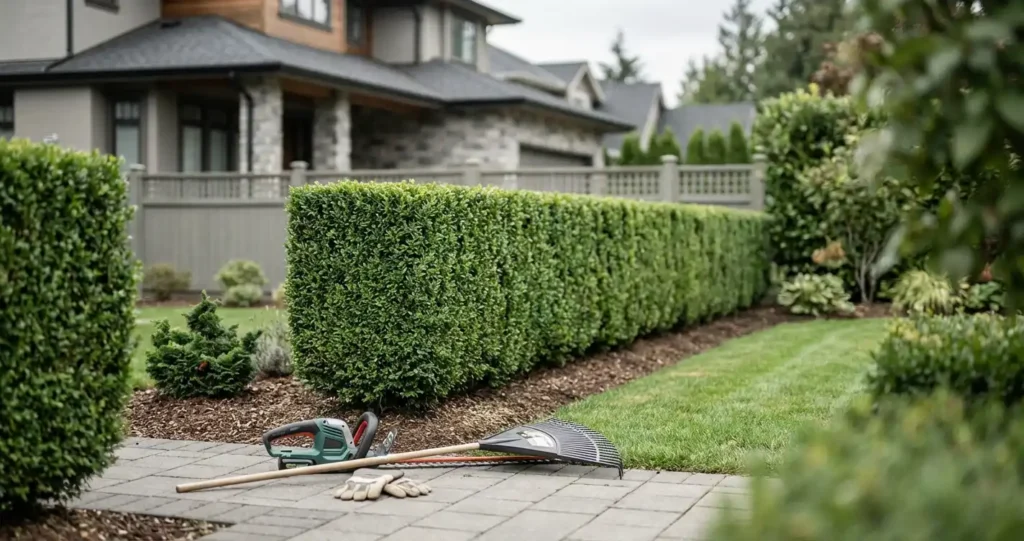
When Should You Trim Hedges in Langley’s Climate?
Timing your hedge trim around Langley’s seasonal weather patterns protects the plant and gives you the cleanest results.
Spring (late May to mid-June) is the primary trimming window. By late May, the first growth flush has pushed out 4 to 8 inches of new growth on most hedge species. Trimming after this flush but before the dry summer months lets the hedge heal quickly while still looking crisp into July.
Summer (mid-August) is the ideal time for a second trim. Langley’s dry season from June through September slows growth, but most hedges push a second round of growth in July. An August trim carries the hedge through fall looking tidy.
Fall (October, light trim only) works for a cleanup pass before the heavy rains return. This is especially useful for properties near Campbell Valley Regional Park or Derby Reach Regional Park where leaf litter and debris accumulate against hedges. Keep fall trimming light.
Winter (November through March) is when we recommend leaving hedges alone. The Pacific Northwest rain season means constant moisture on cut surfaces. The University of British Columbia Botanical Garden advises against major pruning of broadleaf evergreens during the dormant wet months.
How Often Does Each Hedge Type Need Trimming?
Trimming frequency depends on the species, your desired appearance, and where you are in Langley.
Cedar hedges: 2 to 3 times per year. Two trims, one in late May and one in August, keep most cedar hedges looking sharp. Hedges taller than 8 feet may need a third pass.
English Laurel: 3 to 4 times per year. Laurel is the most demanding hedge in Langley. Without regular trimming, it quickly becomes a tree.
Boxwood: 1 to 2 times per year. Boxwood is slow-growing and forgiving. One trim in June and an optional touch-up in September is usually enough.
Portuguese Laurel: 2 times per year. Slower than English Laurel, Portuguese Laurel holds its shape well with a spring and late-summer trim.
What Does Hedge Trimming Cost in Langley?
Standard residential hedge (under 6 feet tall, under 50 feet long): $75 to $150 per visit.
Taller hedges (6 to 10 feet): $150 to $300 per visit. Taller hedges require ladder work or extended-reach power trimmers.
Overgrown or neglected hedges: $250 to $500+ for restoration.
Ongoing maintenance contracts bring the per-visit cost down. Our clients in Langley typically spend $150 to $400 annually on hedge maintenance.
Disposal is included in our pricing. We haul away all clippings and green waste.
Should You DIY or Hire a Professional for Hedge Trimming?
Professional hedge trimming becomes the better choice when:
Height over 6 feet. Working on a ladder with power tools is genuinely dangerous.
Hedge length over 30 feet. What takes a homeowner half a day takes our two-person crew about 45 minutes.
Overgrown hedges needing reduction. Cut too far into old wood on a cedar hedge and it will not grow back. Our team has been doing this since 2016.
Debris volume. A single trim on a 60-foot laurel hedge produces 10 to 15 bags of green waste.
How to Keep Your Hedges Healthy Between Trims
Water deeply during dry summers. Deep watering once a week is better than frequent shallow watering in our clay soil.
Mulch the base. A 3-inch layer of bark mulch along the hedge line retains moisture and suppresses weeds. Our bark mulch installation service pairs well with hedge maintenance.
Feed in early spring. A balanced fertilizer applied in March gives hedges the nutrients they need.
Watch for common issues. Cedar leaf miner, boxwood blight, and laurel shot hole disease all appear in Langley.
Frequently Asked Questions
How often should I trim my cedar hedge in Langley?
Cedar hedges in Langley should be trimmed two to three times per year. The first trim in late May or early June, a second in mid-August. Properties in Willoughby or Yorkson may need a third light trim in October.
What does professional hedge trimming cost in Langley, BC?
Professional hedge trimming typically costs between $75 and $250 per visit for a standard residential property, depending on hedge length, height, species, and accessibility.
When is the best time to trim hedges in the Pacific Northwest?
Late spring through early fall. Avoid heavy trimming during the wet season from October through March.
Can I trim my laurel hedge myself or should I hire a professional?
You can trim a short laurel hedge yourself, but once it exceeds 6 feet or hasn’t been trimmed in over a year, professional equipment and experience will produce cleaner results.
Ready for a trim? Our team at Splendid Landscaping has been trimming hedges across Langley since 2016. 4.9-star Google rating from 19 reviews. Get a free quote or call us at 604-706-1375.