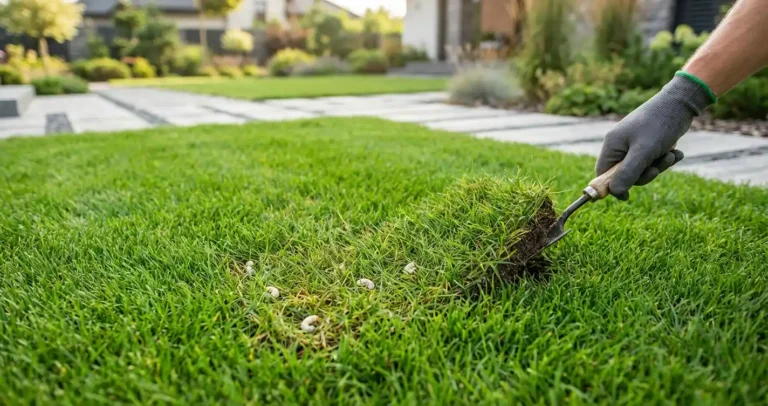
Weeds are a big problem in rock beds. They make your yard look messy. They steal water and food from your other plants. This guide shows you the best ways to get rid of weeds in rock beds in 2026. These methods work well in the Fraser Valley.
Understanding Weeds in Rock Beds
Weeds love rock beds. Rocks hold heat from the sun. That warmth helps weed seeds sprout. Wind and animals carry seeds into the gaps between rocks. Once there, the seeds grow fast and spread.
Common Weeds in Rock Beds
- Grass Weeds: Crabgrass and quackgrass grow fast. They are hard to pull out by the root.
- Broadleaf Weeds: Dandelions and clover are tough. They come back year after year.
Want to know more about weed types? Gardening Know How has a helpful breakdown of common weed species to help you tell them apart.
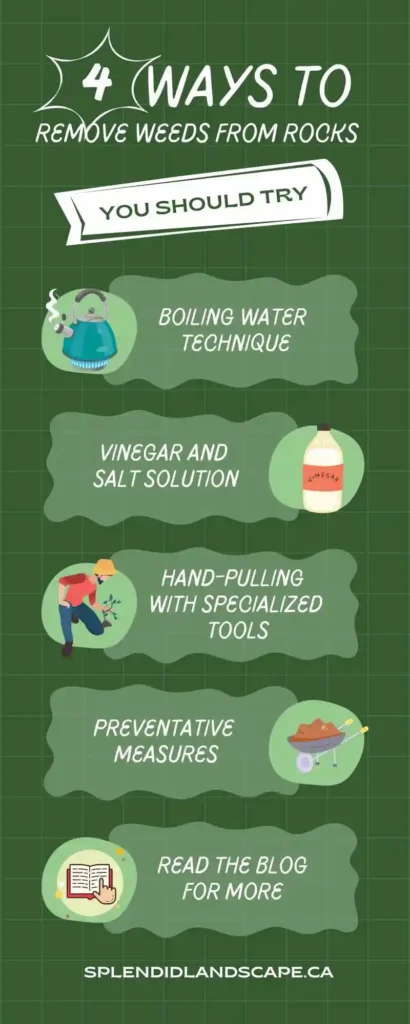
Preventative Measures
It is easier to stop weeds before they grow than to pull them out later. These steps help you get ahead of the problem.
Install a Weed Barrier
Before you put down rocks, lay a sheet of landscape fabric or plastic on the ground. This blocks sunlight from hitting the soil. No light means weed seeds can’t sprout. Overlap the edges and hold them down so there are no gaps. The BC Government says that gravel, stones, or pavers laid over landscape fabric work well in shady spots and busy areas where grass won’t grow.¹
Choose the Right Rocks
Big rocks leave less space for weeds. Small gravel and pebbles have more gaps. Seeds blown by the wind can settle into those gaps and start to grow.
Regular Maintenance
Keep your rock bed clean and tidy. Pick up fallen leaves and yard waste often. When leaves break down, they make the soil richer. That can help weed seeds sprout just as much as it helps your good plants grow.
For tips on mulching and keeping your landscape tidy, Colorado State University Extension offers practical guidance that works well for rock beds in BC climates.
Natural and Chemical-Free Weed Removal Methods
These methods are lower-risk than chemical sprays. But still use them with care. Boiling water can burn your skin. Vinegar solutions can sting your eyes. Always be careful when you use them.
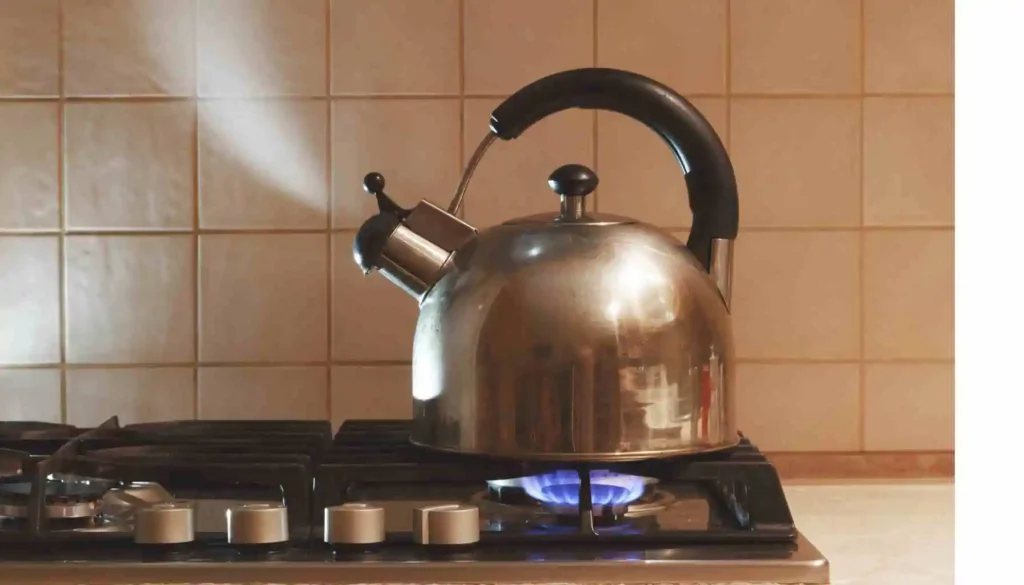
Boiling Water Technique
Pour boiling water right onto the weeds. Aim at the base and leaves. The heat damages the plant and kills shallow roots. This works best on young weeds in gravel paths or rock edges. Be careful not to splash nearby plants. Boiling water will hurt any plant it touches.
- Pros: Works fast. Leaves no harmful residue in the soil.
- Cons: Weeds with deep roots may come back. You need to aim carefully to protect nearby plants.
Vinegar and Salt Solution
Mix one gallon of white vinegar with one cup of salt and one tablespoon of dish soap. Spray it right onto the weeds. A warm, sunny day works best. The sun and heat help dry out the weeds faster. The vinegar burns the leaves and stem on contact. This works well on young weeds. It does not kill the deep roots of older weeds. Don’t use too much salt. Too much salt over time can hurt your soil.
- Pros: Easy to make. You likely have everything at home already.
- Cons: Can harm nearby plants if the spray drifts. Will not kill deep-rooted weeds.
Hand-Pulling with Specialized Tools
You can also pull weeds out by hand. Use a long-handled weeder or a narrow hoe. These tools fit into tight spots between rocks. They help you pull out the whole root without moving the stones around.
- Pros: Removes the whole plant, including the root.
- Cons: Takes a lot of time and effort for large areas.
Want more tips on weed control without chemicals? The UC Integrated Pest Management Program offers detailed guidance on managing weeds without chemicals.
Chemical Herbicides: When and How to Use Them Safely
Natural methods work for most yards. But some weed problems are very bad. In those cases, a chemical spray may help. Pick a product that is safe for rock beds. Always read the label and follow the steps on it.
- Selective Herbicides: These target certain weeds. They leave your other plants alone.
- Non-Selective Herbicides: These kill every plant they touch. Be very careful near garden beds.
Always wear gloves, eye protection, and long sleeves. Check which way the wind is blowing before you spray. You don’t want the spray to drift onto other plants.
For safe-use guidelines, the U.S. Environmental Protection Agency (EPA) has helpful resources on pesticide safety for homeowners.
Maintenance and Monitoring
Getting rid of weeds is not a one-time job. You need to check your rock bed all year. That is the best way to keep it clean and looking great.
Inspect Weekly
Walk through your rock bed once a week. Look for new weeds. Pull small weeds right away. They are much easier to remove when they are young.
Apply Mulch as Needed
A thin layer of mulch between rocks helps block weeds. It also holds water in the soil. Add fresh mulch once each season or after heavy rain.
Refresh Your Weed Barrier
Landscape fabric wears out over time. Check it every spring. Patch or replace any parts that are torn or have shifted. Adding a fresh layer of rocks on top can also help block out light.
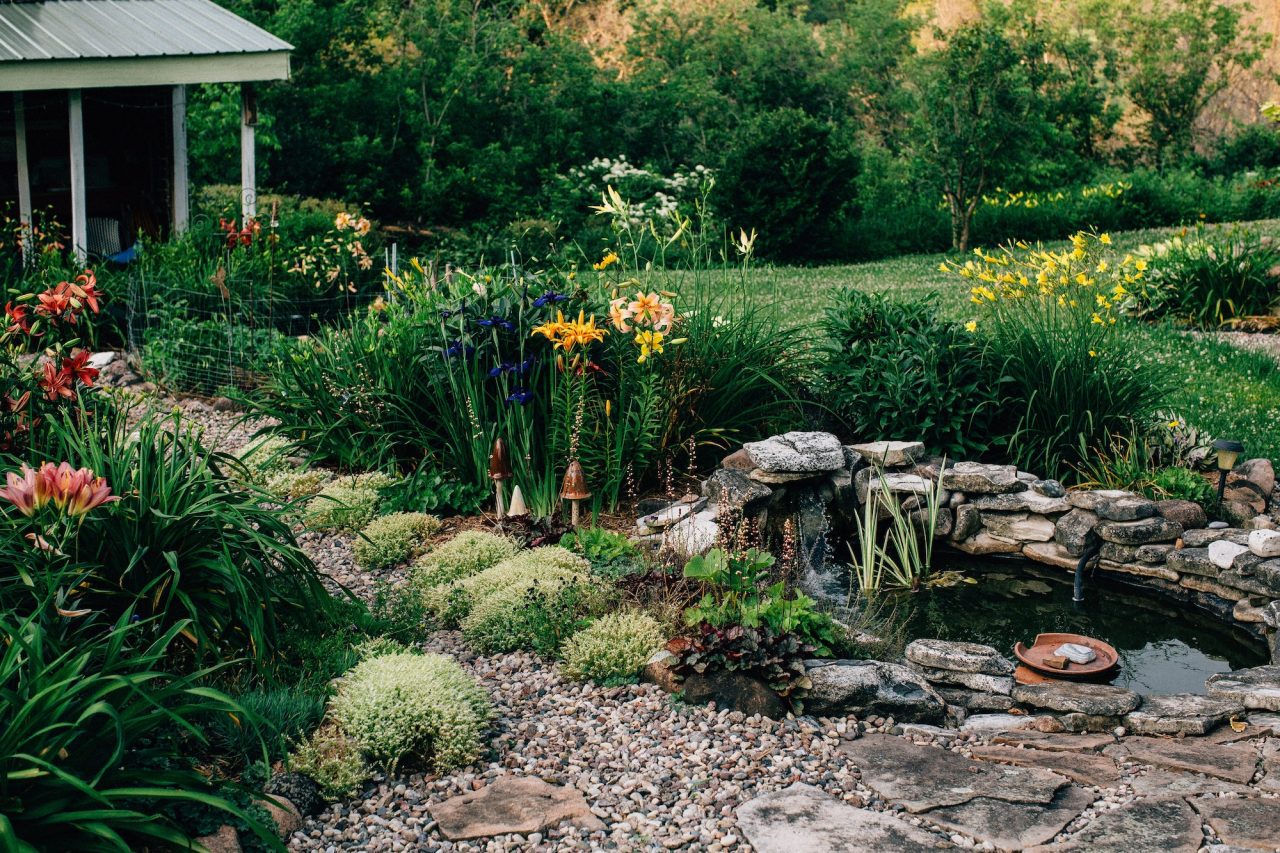
Effective Strategies for Long-Term Weed Control in Rock Beds
Keeping weeds out for good takes a steady routine. Start with a garden hoe to clear weeds from the rocks. For small, young weeds, spray horticultural vinegar right on the leaves. You can add a little rock salt near single weeds to slow them down. Don’t use too much salt. It can hurt your soil if you use it too often.
Weeds with deep roots are harder to deal with. Vinegar and boiling water kill the top of the plant. But the roots can still send up new growth. You will need to treat these weeds again through the season. The best fix is to pull them out by hand with a narrow weeding tool. Check your rock bed often. Catch new weeds early before they spread or drop seeds.
Year-Round Maintenance Tips for Weed-Free Rock Beds
Keeping weeds out all year takes more than one step. In the Fraser Valley, two common annual weeds are hairy bittercress (Cardamine hirsuta) and annual meadow grass (Poa annua). Go after them early in spring before they flower and drop seeds. A targeted weed killer can stop problem weeds without hurting the plants you want to keep.
A mix of white vinegar and a little dish soap can help control young weeds through spring and summer. Spray it right on the weeds when they are small and new. You can also plant low-water groundcovers between your rocks. This is called xeriscaping. It fills in the open soil so weed seeds have fewer places to grow.
Splendid Landscaping Services: Your Partner in Weed-Free Landscaping
Keeping rock beds free of weeds takes time and the right plan. Splendid Landscaping Services helps Langley homeowners stay on top of weeds all year. Our professional landscaping services in Langley are built for Fraser Valley yards.
Need a one-time cleanup or regular care? Our team is ready to help. We work with homeowners in Langley, Willoughby, Walnut Grove, Murrayville, and across the Fraser Valley.
Learn more about our Landscaping Maintenance Service and see how we keep properties looking great year-round.
You can also visit our About Us page to learn more about our team and our work.
Ready to get started? Contact us today for a free quote and let us help you get the yard you want.
Don’t let weeds take over. Take action this spring and enjoy a cleaner yard all year long.
References
1. BC Government. Manage Lawn & Yard Weeds. Province of British Columbia, last updated August 5, 2020. https://www2.gov.bc.ca/gov/content/environment/pesticides-pest-management/managing-pests/plants/lawn-yard-weeds